
ICX is a digital asset designed to support interoperability within the blockchain industry. It functions as the native token of the ICON network, a platform built to connect independent blockchains into one interoperable ecosystem. As Blockchain technology expands, many networks still operate in isolation. Because of this challenge, ICX plays an important role by enabling secure communication and value transfer between different blockchain communities.
Within the broader Cryptocurrency market, ICX stands out due to its focus on real-world integration instead of isolated transactions. The token supports governance, transactions, and core network operations. Developers, institutions, and everyday users rely on it to interact across the ICON ecosystem without centralized intermediaries.
This article explains ICX in clear and practical terms. It outlines what this is, how it works, and how it developed over time. In addition, it explores its background, advantages, limitations, and real-world applications. By the end, readers will understand why it remains relevant in today’s evolving blockchain landscape.
What is ICX?
ICX is the native utility and governance token of the ICON blockchain network. It powers transactions, enables interoperability, and supports decentralized decision-making across the ecosystem. In simple terms, ICX acts as the fuel that keeps the ICON network active and connected.
The primary purpose of thi is to facilitate communication between independent blockchains. ICON was designed as a network of networks, where separate blockchain communities remain autonomous while still interacting through shared infrastructure. It enables these interactions by serving as the exchange medium that moves value and data securely.
In addition, It supports governance. Token holders actively participate in voting on protocol updates, system improvements, and network rules. This structure strengthens decentralization by giving the community direct influence over the network’s direction.
Within the broader blockchain industry, It represents a connectivity-focused solution. Instead of competing to replace other networks, It works to link them together under a unified framework.
Background of ICX
ICX operates within the ICON ecosystem, which uses a hub-and-spoke architecture. In this model, independent blockchains, called communities, connect to a central hub while retaining control over their internal governance and rules.
The ICON network relies on smart contracts to automate processes and manage interactions between participants. ICX is required to execute these contracts, pay transaction fees, and reward validators. As a result, every action on the network carries both economic cost and incentive.
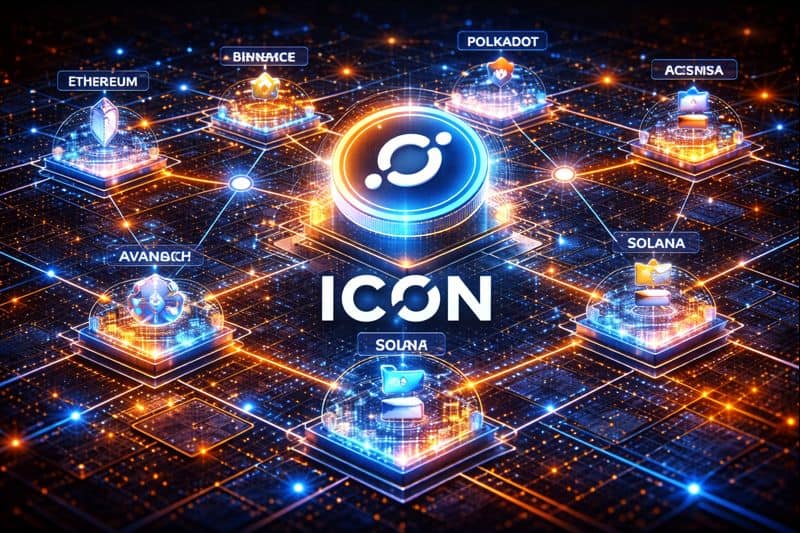
Consensus also plays a critical role. ICON uses a delegated consensus system that allows selected validators to confirm transactions efficiently. ICX incentivizes these validators and encourages honest participation, which supports network stability.
From a user perspective, accessibility remains essential. It can be stored, transferred, and staked using a compatible Crypto wallet. This allows users to manage assets securely while participating directly in the ecosystem.
List of Key Components or Aspects:
- ICON blockchain ecosystem
- ICX utility and governance token
- Hub-and-spoke interoperability structure
- Delegated consensus mechanism
- Smart contracts and decentralized applications
History of ICX
ICX emerged with the launch of the ICON project, which aimed to solve blockchain fragmentation. At the time, many networks operated independently, limiting collaboration and scalability. ICON introduced a model where systems could communicate without losing autonomy.
The ICX token became the core asset supporting this vision. Early development focused on infrastructure capable of handling cross-chain interaction and institutional use cases. Because of this focus, ICON attracted attention beyond retail users.
As the network matured, developers introduced upgrades that improved performance, governance, and interoperability. These changes allowed ICX to stay relevant as the blockchain industry evolved and competition increased.
Overall, the history of ICX mirrors the industry’s shift from experimental ideas to practical infrastructure designed for real-world adoption.
| Year | Milestone |
|---|---|
| 2017 | ICON project introduced |
| 2018 | ICX token officially launched |
| 2019 | Governance and network upgrades |
| 2021 | Expanded interoperability features |
| 2023 | Continued ecosystem development |
Types of ICX
This exists as a single native token, yet it serves multiple functional roles within the ICON network. These roles act as usage-based categories rather than separate technical versions.
One role is transactional ICX. In this case, users pay network fees and transfer value across the ecosystem using the token. Every transaction requires it, which helps prevent spam and supports network security.
Another role is governance ICX. Token holders stake and use this to vote on proposals, validator selection, and protocol changes. Through this process, decision-making stays decentralized and community-driven.
It also functions as a staking asset. Users stake ICX to support network operations and earn rewards. This approach encourages long-term participation while strengthening network reliability.
Together, these roles show how this adapts to different operational needs within one ecosystem.
How Does itWork?
ICX supports transactions, governance, and interoperability across the ICON network. First, a user initiates a transaction or smart contract action using it. The network then broadcasts the request to validators.
Next, validators confirm the transaction through the delegated consensus process. After confirmation, the blockchain records the transaction, and ICX covers the required fees.
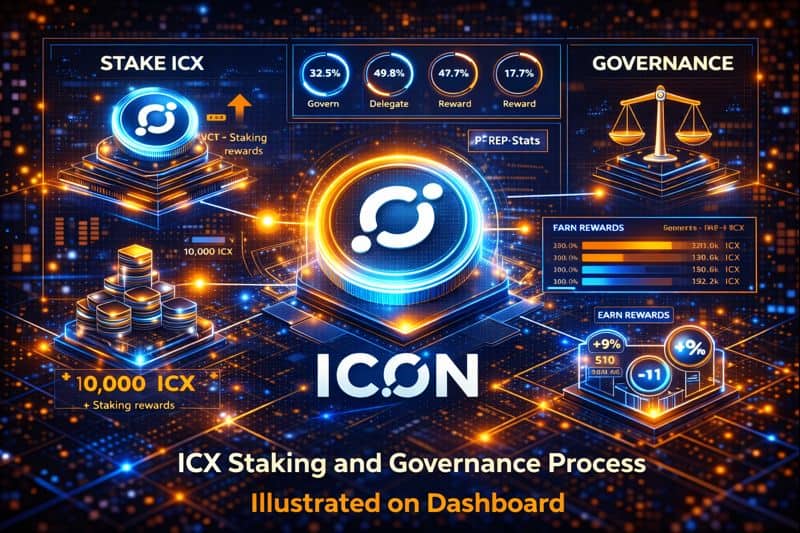
For cross-chain interactions, It acts as the settlement asset between connected communities. This system allows independent blockchains to exchange value and data securely. Similarly, governance actions follow a clear process where token holders submit proposals and vote using staked It .
This workflow enables efficient operation while maintaining transparency, security, and decentralization.
Pros and Cons
ICX offers several advantages, although it also presents challenges. Reviewing both sides helps provide a balanced view.
| Pros | Cons |
|---|---|
| Strong interoperability focus | Dependent on ecosystem growth |
| Decentralized governance model | Competition from other networks |
| Staking rewards for users | Market volatility |
| Designed for real-world use | Learning curve for beginners |
Uses of ICX
ICX supports a wide range of applications within the ICON ecosystem. Its primary role centers on enabling interaction between decentralized systems.
Finance
ICX supports value transfer and settlement across financial platforms built on ICON.
Governance
Token holders use ICX to vote on proposals and influence network decisions.
Enterprise Integration
Organizations connect private blockchains to public networks by using itas the settlement layer.
These applications highlight it as an infrastructure asset rather than a simple payment token.
Resources
CoinCentral. What Is ICON?
Investopedia. ICON Cryptocurrency Explained
Corporate Finance Institute. ICON Cryptocurrency
CoinPaprika. ICON Overview
CoinPaprika. ICON Market Data