
What Is Midjourney is a question many people ask as Artificial Intelligence reshapes digital creativity. In recent years, generative tools have changed how images are created, shared, and refined. Instead of relying only on manual design skills, users can now describe ideas using text and receive detailed visuals in seconds. Midjourney is one of the most recognized platforms driving this shift.
Within Artificial Intelligence, Midjourney represents how language and visuals intersect. It allows people to turn written prompts into artistic images without traditional design software. Because of this simplicity, it has gained popularity among designers, marketers, educators, and content creators.
Midjourney also reflects the rapid growth of Gen AI tools that support creative workflows. In this article, you will learn what Midjourney is, how it works, and why it matters. The guide also explains its background, history, types, strengths, limitations, and real-world applications to give you a complete understanding.
What is Midjourney?
Midjourney refers to an AI-powered image generation platform that creates visuals based on text prompts. Users describe a scene, style, or concept, and the system generates multiple image options that match the request. These images can range from realistic photography to highly stylized digital art.
The purpose of Midjourney is to make visual creation more accessible and efficient. It removes the need for advanced illustration skills or complex editing tools. Instead, users focus on ideas and descriptions. This approach speeds up creative workflows and encourages experimentation.
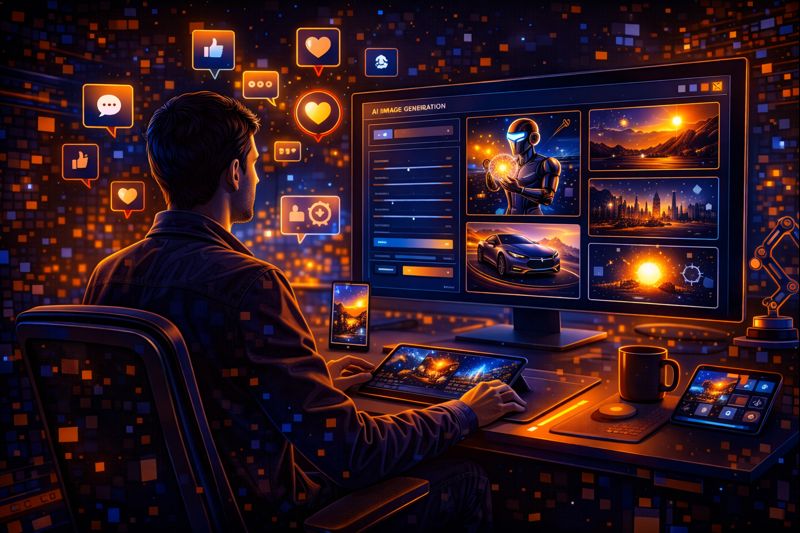
Midjourney fits into the broader Artificial Intelligence landscape as a generative image tool. It uses trained models to understand language and visual relationships. By doing so, it helps computer systems translate written input into coherent images. Within creative industries, Midjourney supports concept art, marketing visuals, and rapid prototyping. It demonstrates how modern AI technology can enhance creativity rather than replace human input.
Background of Midjourney
Midjourney is built on several core elements that influence how images are generated and refined. Each component plays a role in shaping output quality and user control.
List of Key Components:
- Text Prompts: Descriptions that guide image creation
- Generative Models: AI models trained on large collections of images and text
- Style Understanding: Ability to reflect artistic tones, lighting, and composition
- Prompt Parameters: Controls for resolution, variation, and image ratios
- Iteration Features: Tools for refining, upscaling, or adjusting results
These components work together during each request. First, the system analyzes the prompt. Next, it matches words with learned visual patterns. Then it generates several variations to give users creative options.
Because Midjourney relies on advanced ai technology, updates often improve realism, accuracy, and flexibility. The platform emphasizes artistic expression, which sets it apart from other image generators focused mainly on realism or utility.
History of Midjourney
Midjourney began as an independent research initiative exploring new forms of creativity through Artificial Intelligence. It emerged during a period when generative models were rapidly evolving and gaining public attention.
Early versions focused on experimentation and community feedback. Rather than targeting enterprise users, Midjourney grew through creative communities that shared results and prompt techniques. This organic growth helped shape its artistic direction.
Over time, regular updates improved image quality, prompt interpretation, and control options. The platform continued to evolve alongside advancements in generative models. Today, Midjourney remains closely connected to its user community, which influences its development priorities.
| Year | Milestone |
|---|---|
| 2021 | Initial research and early testing |
| 2022 | Public access through chat-based use |
| 2023 | Major improvements in image quality |
| 2024 | Enhanced realism and prompt accuracy |
| Present | Continuous refinement and expansion |
Types of Midjourney
Midjourney can be categorized based on how users apply it rather than strict technical versions. One common type is standard image generation. Users submit a prompt and receive multiple image outputs. This method suits quick concept creation.
Another type focuses on style-driven generation. Prompts emphasize artistic direction, such as watercolor, cinematic lighting, or minimalism. Designers often use this approach for visual exploration. There is also iterative creation, where users refine results by requesting variations or enhancements.
Some users apply this for experimental or abstract work. By combining references and descriptive prompts, they explore new visual ideas. Each type supports different creative goals. Together, they make Midjourney flexible for both casual users and professionals working across creative fields.
How Does it Work?
Midjourney follows a simple workflow from the user’s perspective. First, the user enters a text prompt that describes the desired image. This prompt may include subject details, style cues, and mood.
Next, the system processes the prompt using trained generative models. It maps language to visual features learned from large datasets. Based on this analysis, the model produces several image variations.
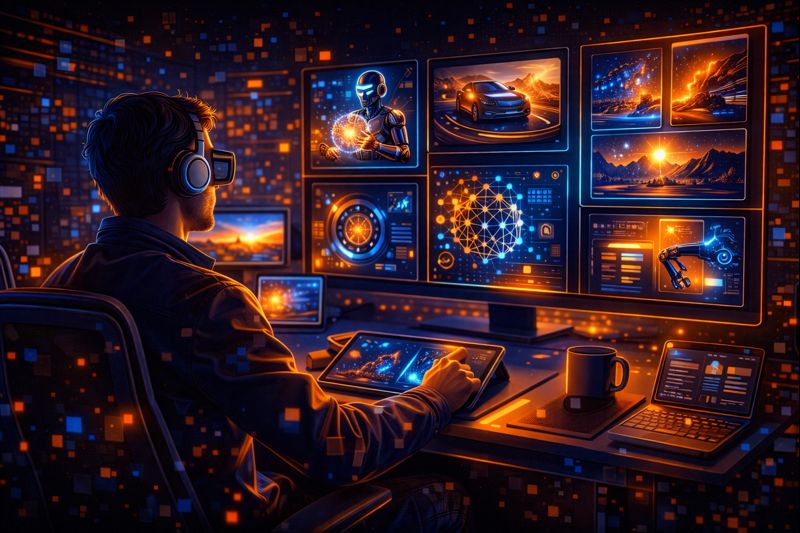
After generation, users review the results. They can choose to upscale an image, request variations, or refine the prompt. This process repeats until the output meets expectations. While the underlying process is complex, the interface remains accessible and user-friendly.
Pros and Cons
It offers strong advantages, but it also comes with limitations that users should consider.
| Pros | Cons |
|---|---|
| Rapid image generation | Limited manual editing tools |
| High artistic quality | Requires prompt practice |
| Accessible to non-designers | Subscription costs apply |
| Encourages creative exploration | Output can vary unpredictably |
Uses of Midjourney
Midjourney is widely used across creative and professional fields. Designers use it to generate concept art and visual inspiration before final production. This speeds up brainstorming and reduces early design costs.
Marketing and Advertising
Teams create visuals for campaigns, social media posts, and mockups quickly and consistently.
Content Creation
Writers and creators use generated images to support blogs, presentations, and storytelling.
Education and Training
Educators generate visuals to explain ideas, spark creativity, or support learning materials.
Entertainment and Media
Artists explore styles and concepts for games, films, and digital art projects.
These use cases show how Midjourney supports both efficiency and experimentation in modern creative workflows.
Resources
- Midjourney – Official Website
- Dorik – How to Use Midjourney: Beginner’s Guide
- AI Art with Midjourney – Complete Tutorial
- Medium – Midjourney vs. DALL·E vs. Stable Diffusion Comparison
- Forbes – Generative AI and the Future of Creativity (Forbes)