
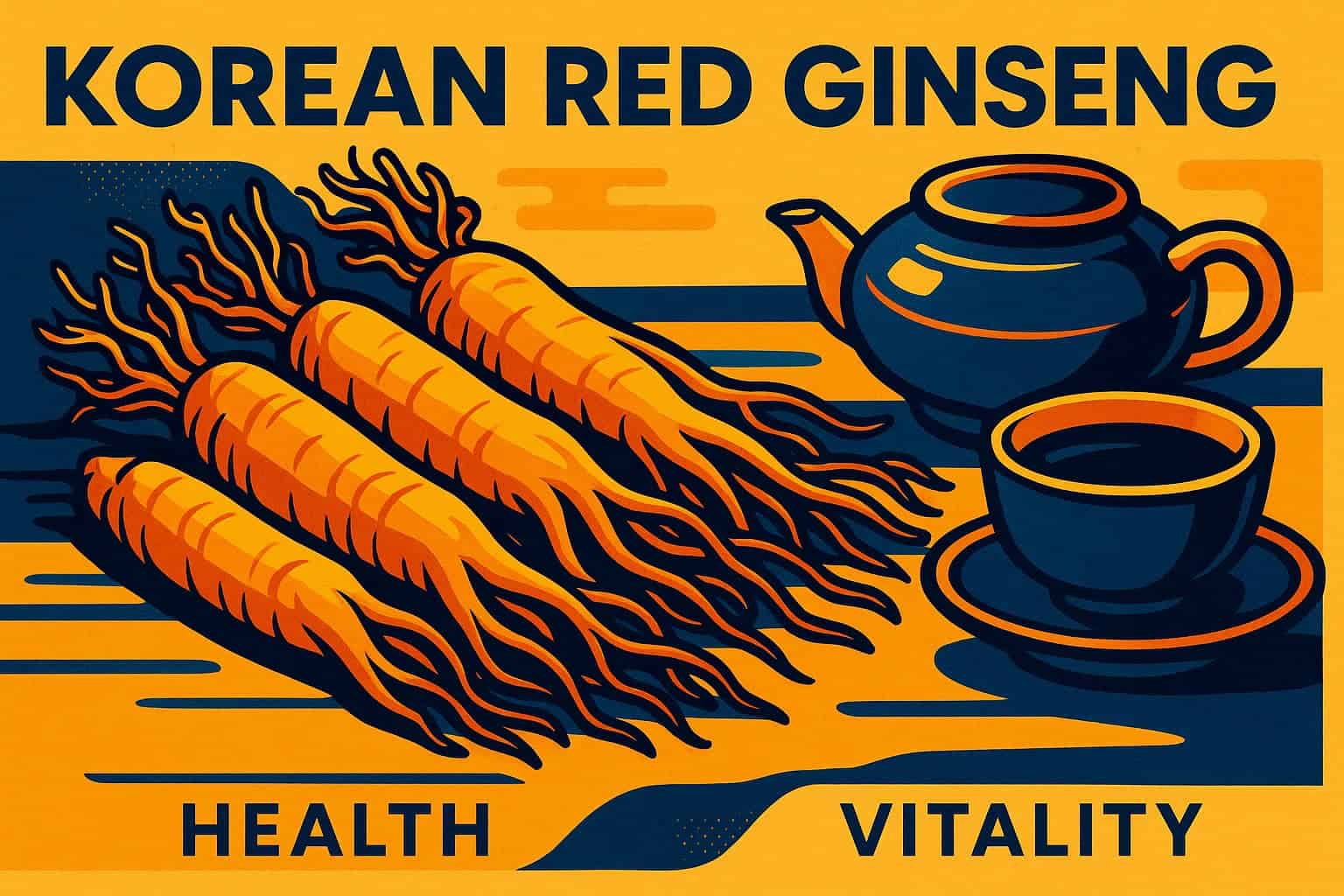
Ginseng is one of the most iconic herbs in Korean Culture, cherished for its remarkable health benefits and cultural symbolism. Known for centuries as a natural remedy, it continues to captivate people worldwide. Its unique taste and healing properties make it a staple in korean food, wellness practices, and traditional medicine. This root has gained renewed attention thanks to its presence in modern products, skincare, and even beverages. As part of Korea’s long-standing Traditions, Ginseng represents strength, vitality, and longevity. From herbal teas to energy tonics, it bridges the ancient and modern worlds, offering both health and cultural pride. Its global demand shows how deeply it resonates beyond Korea’s borders, reflecting a blend of heritage and modern wellness trends that define today’s global fascination with K-Culture.
What is Ginseng?
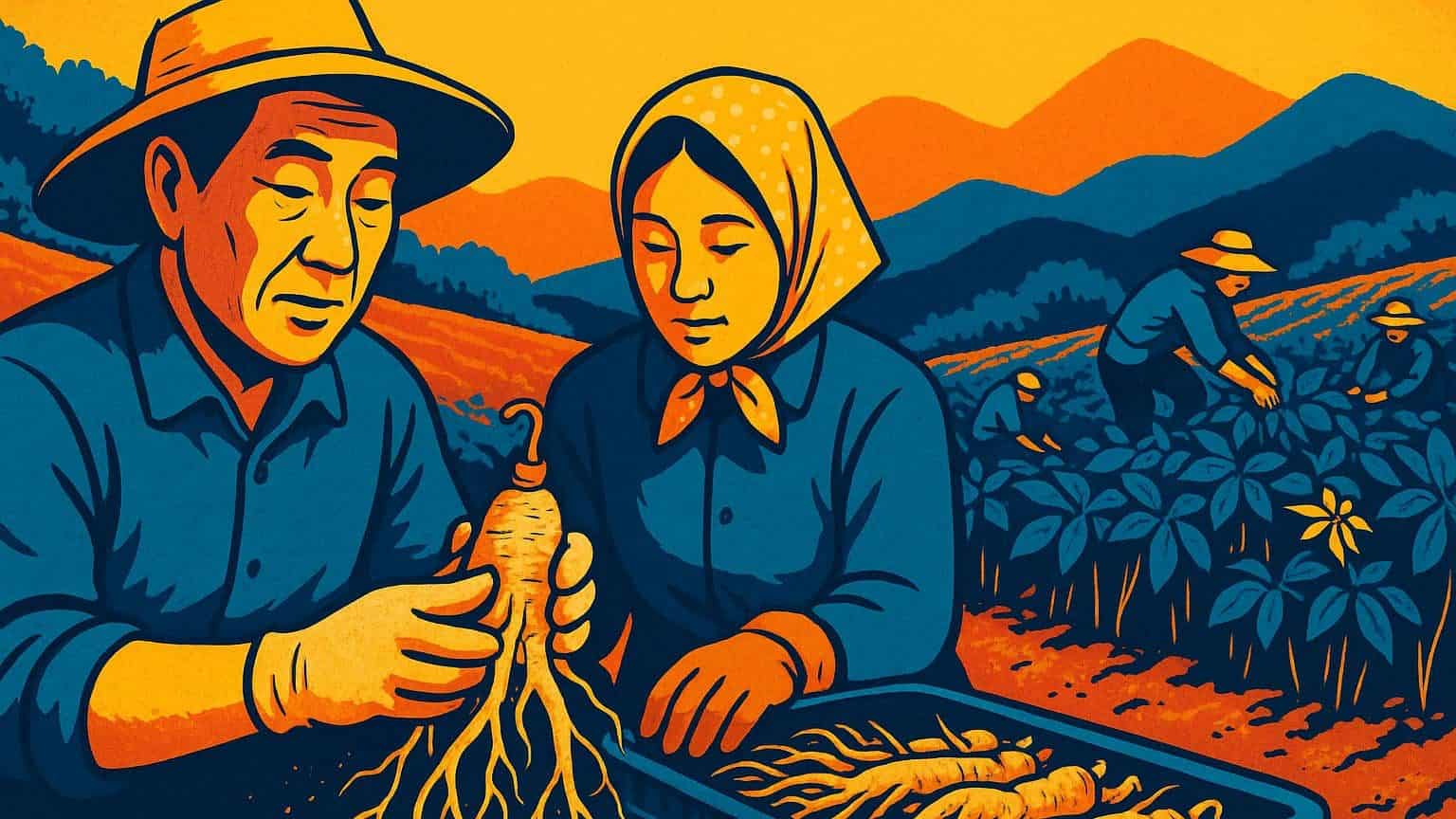
Ginseng is a medicinal root recognized for its revitalizing effects on the body and mind. Known in Korean as “insam,” it has been used for thousands of years in both medicine and cuisine. This remarkable plant belongs to the Panax genus, meaning “all-healing,” which reflects its traditional uses. The most popular type is Korean Red Ginseng, steamed and dried to enhance potency. It’s also spelled “ginsing” or “ginsan” in some texts, reflecting its broad cultural presence. In Korean Culture, it symbolizes resilience and life force, deeply rooted in both health and spiritual practices. Its distinctive aroma and slightly bitter taste make it a unique ingredient that continues to attract global attention. Whether in soups, teas, or capsules, it remains a symbol of vitality and holistic wellness.
Background and Origins of Ginseng
Ginseng first appeared in Korea’s mountainous regions thousands of years ago. As early as the Three Kingdoms period (57 BCE–668 CE), Ginseng was prized as a royal herb used for healing and strengthening the body. Ancient records describe how Koreans discovered the root’s benefits while exploring forests for natural remedies. Over time, its cultivation spread across the Korean peninsula, becoming a vital part of the nation’s identity and Traditions. Its natural habitat in Korea’s rich soil and temperate climate made it superior in quality compared to other varieties. Historically, it was traded as a luxury item, valued more than gold in some dynasties. This deep cultural connection helped establish Korea as a global leader in Ginseng production, symbolizing health, longevity, and national pride.
Rise in Popularity
It became a global sensation as the world’s interest in natural health grew. In Korea, it has long been celebrated for its energizing properties, often featured in cultural events and ceremonies. The rise of K-dramas and K-pop also helped spread awareness, showcasing Ginseng-based products as part of modern wellness routines. Korean celebrities often endorse skincare and health brands using Ginseng, highlighting its benefits in maintaining youthful energy and beauty. Internationally, people are drawn to its reputation for boosting stamina, improving focus, and enhancing immunity. Through social media trends and health influencers, Ginseng now symbolizes the perfect blend of ancient wisdom and modern lifestyle. Its presence in cafes, supplements, and beauty lines shows how it continues to evolve while staying true to its cultural essence.
Products / Features / Key Aspects
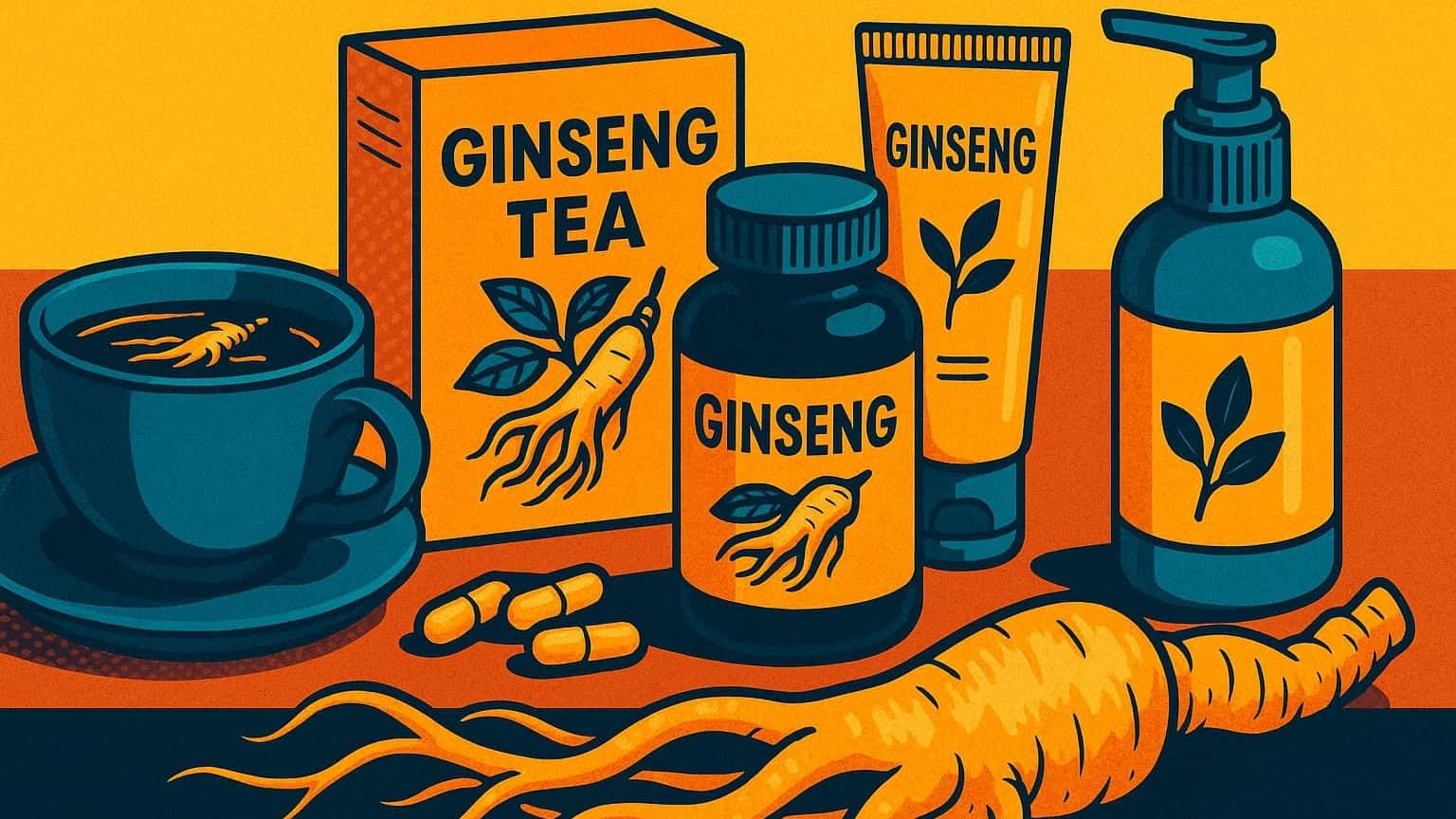
It comes in various forms, each serving different health and lifestyle needs. Some of its popular types and uses include:
- Red Ginseng: Steamed and dried, known for its strong revitalizing effects.
- White Ginseng: Sun-dried and milder in taste, ideal for daily use.
- Ginseng Tea: A soothing drink that promotes relaxation and focus.
- Ginseng Capsules: Convenient supplements for energy and immune support.
- Cosmetics and Skincare: Infused in creams and masks to rejuvenate the skin.
These products highlight Ginseng’s adaptability in both traditional and modern settings. From food to beauty, its essence enriches everyday life while honoring its roots in Korean Culture and wellness practices.
What Makes Ginseng Unique?
It stands out for its balance of ancient wisdom and modern innovation. Its long cultivation process, taking up to six years to mature, ensures unmatched quality. The root’s symbolic meaning—vitality and endurance—deeply connects to korean food and lifestyle. Packaging often reflects elegance, featuring gold and red hues that symbolize prosperity. Korean brands emphasize authenticity, ensuring consumers receive the best quality product. Fans admire not only its health benefits but also the cultural pride it embodies. Fun Facts about Ginseng include its nickname “the root of immortality” and its use in royal feasts. This blend of history, science, and artistry makes Ginseng more than just an herb—it’s a cultural treasure admired worldwide.
Challenges or Criticisms
Despite its many advantages, Ginseng faces several challenges and criticisms. These range from environmental issues to consumer misconceptions. While Ginseng is celebrated for its medicinal properties, its growing global demand has led to concerns about sustainability, product quality, and consumer safety. Environmentalists warn that irresponsible harvesting practices can threaten wild Ginseng populations, while market analysts highlight economic barriers and the prevalence of counterfeit products. Additionally, health professionals caution that misuse or overconsumption can lead to adverse side effects. These challenges collectively underscore the importance of sustainable sourcing, proper regulation, and informed consumption.
| Challenge | Description |
|---|---|
| Overharvesting | Excessive demand risks depleting wild Ginseng sources. |
| Price | High-quality Ginseng can be expensive for average consumers. |
| Counterfeits | Fake or diluted products damage market trust. |
| Health Misuse | Overconsumption can cause side effects like insomnia. |
While these challenges exist, ongoing regulation and consumer education help maintain the integrity of the Ginseng industry. Koreans continue to uphold strict cultivation standards to preserve its authenticity.
Key Takeaways
Ginseng remains an integral part of Korean Culture and global wellness. Its rich history, cultural symbolism, and proven health benefits make it a valuable asset in both traditional and modern lifestyles. It bridges ancient healing practices with today’s demand for natural products. Though challenges persist, the root’s resilience mirrors the spirit of the people who cultivate it. Ginseng’s global popularity continues to grow, driven by its unique combination of heritage, science, and health. Whether enjoyed as tea, skincare, or supplements, it represents balance and vitality. Understanding its background helps appreciate how deeply it shapes Korea’s identity and inspires the world’s pursuit of holistic living.
Resources
- FSBH: Trailing the History of Korean Ginseng
- KGC: Korean Ginseng Corporation Official Site
- Healthline: The Benefits of Ginseng
- PubMeb Central: Ancient herbal therapy
- Flip Korea: Geumsan World Ginseng Festival 2025