
Altcoins sit at the heart of modern crypto markets and shape how digital value moves online. These coins include every asset that is not Bitcoin, and they give users more choice, features, and risk levels. In the fast-moving world of Cryptocurrency, they help developers test new ideas and build fresh tools. Readers often meet them when they first explore exchanges or hear about new projects on social media. This article explains what Altcoins are, why they matter, and how they developed. You will see their main types, how they work on a technical and practical level, and where people use them in real life. By the end, you will understand the benefits, the risks, and the common use cases so you can approach this market with more clarity.
What is Altcoins?
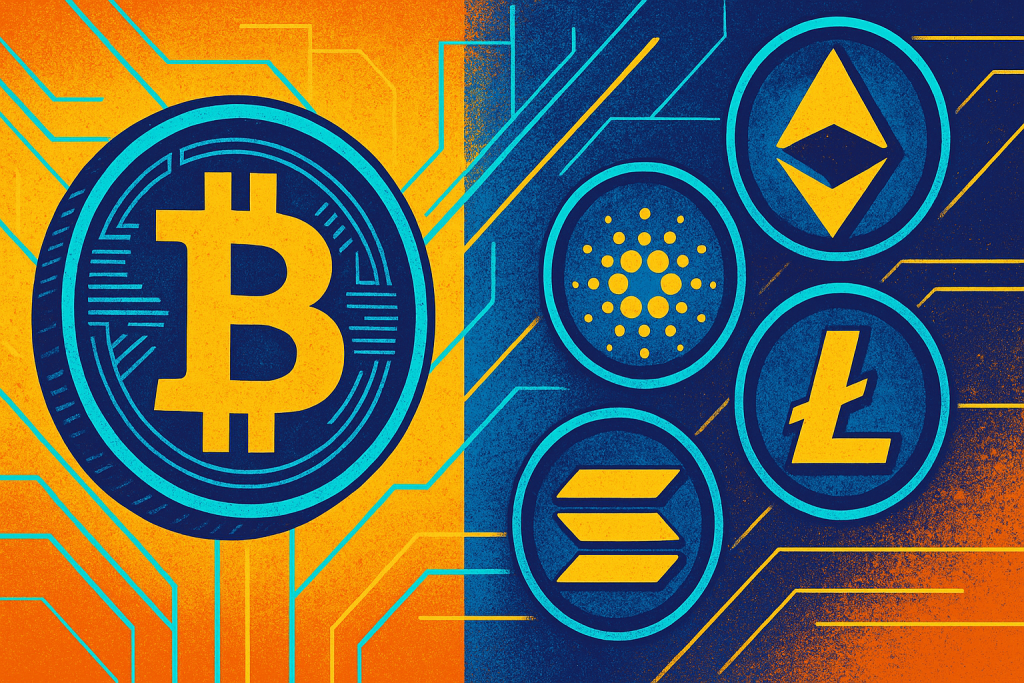
Altcoins are digital coins or tokens that exist as alternatives to Bitcoin. The name comes from “alternative coins,” which highlights their role as options beside the original crypto asset. Each project runs on its own rules, but most share similar building blocks and goals. They aim to move value, store wealth, or power specific apps and services online. Some focus on speed, while others care more about privacy, stability, or smart contracts.
These coins fit within the wider Cryptocurrency ecosystem as a large and varied group of assets. Developers use them to test new ideas and improve earlier designs. Investors view them as higher-risk, higher-reward opportunities compared with more established assets. Businesses may adopt selected Altcoins to support payments or to run apps. Together, they form a broad category that stretches from serious infrastructure projects to meme-based community coins.
Background of Altcoins
Altcoins share a few core traits that define how they work and why people use them. Every project issues its own token or coin and sets clear rules for supply and distribution. Many use open-source code that anyone can inspect. Others add unique features on top of familiar foundations.
They also differ widely in purpose. Some aim to be money for daily use. Others power decentralised apps, enable stable pricing, or represent ownership in assets. Despite this variety, most follow similar patterns in their design.
List of Key Aspects:
- Underlying network: Each project runs on its own protocol or on top of another chain, shaped by its Blockchain structure.
- Consensus mechanism: The network chooses how to validate transactions, often with proof-of-work, proof-of-stake, or a variant.
- Tokenomics: Supply limits, issuance schedules, and reward models define incentives for users and validators.
- Utility and use case: Coins may pay fees, grant access to services, or provide governance rights.
- Community and governance: Teams and users guide upgrades, marketing, and partnerships.
- Security model: Code audits, node distribution, and bug bounties help protect funds and data.
History of Altcoins
Altcoins appeared soon after Bitcoin showed that digital, scarce money could work in practice. Early developers spotted limits in the first design and wanted to test new features. Namecoin, launched in 2011, tried to add decentralised domain registration. Litecoin followed in 2011 as well, with faster blocks and a different mining algorithm. These early experiments proved that the idea could evolve.
More waves came later. The launch of Ethereum in 2015 opened the door to smart contracts and tokens built on one main network. The 2017 initial coin offering boom brought thousands of new projects, many of them short-lived. Another surge arrived around 2020 with decentralised finance and later with meme coins and gaming tokens.
| Year | Milestone | Summary |
|---|---|---|
| 2011 | First notable Altcoins | Namecoin and Litecoin test new features beyond Bitcoin |
| 2015 | Smart contract platforms emerge | Ethereum enables programmable money and tokens |
| 2017 | ICO boom | Massive rise in token sales and new projects |
| 2020 | DeFi and stablecoins gain traction | Lending, exchanges, and stable-price coins expand use cases |
| 2021+ | Meme and gaming tokens explode | Community coins and play-focused assets draw mainstream interest |
Types of Altcoins
Altcoins fall into several broad groups, based on what they try to do. Understanding these types helps you see how each one works and why people use it. One major group is smart contract platforms such as Ethereum, which act as base layers for apps and tokens. These networks let developers deploy code that runs automatically when conditions are met.
Another group includes stable-price coins that peg their value to a currency or asset. People use them to move funds without strong price swings. Privacy-focused coins hide parts of a transaction to protect user data. Utility tokens give access to specific services like storage, computing, or governance in a project. There are also security tokens that represent shares in assets, and meme coins that rely on community and culture. Each type comes with different risk levels, technical setups, and potential rewards.
How Does Altcoins Work?
Altcoins follow a clear flow from creation to daily use. A team first defines a problem and drafts a white paper that outlines goals and design choices. Developers then write and test the code that runs the network or token. After launch, participants join as validators, miners, or node operators to secure and maintain the system.
When users want to join, they create an account and secure it with a Crypto wallet. They can then acquire coins through purchases, rewards, or transfers. Transactions move between addresses and reach the network for verification. Validators check the rules, add valid transactions to blocks, and help finalise them. The protocol tracks every confirmed movement and updates balances. Over time, upgrades and community votes can refine features, adjust fees, or add new tools.
Pros and Cons of Altcoins
Altcoins offer clear benefits but also carry notable risks. Users need to weigh both sides before they commit funds or time. Different projects show different levels of quality, security, and transparency. Careful research helps filter stronger ideas from weak or speculative ones.
| Pros | Cons |
|---|---|
| Wider choice of features and use cases | Higher volatility and sharper price swings |
| Potential for strong returns on new projects | Greater risk of failure, hacks, or abandoned teams |
| Innovations that improve earlier designs | Complex technology that can confuse new users |
| Access to DeFi, gaming, and other new sectors | Regulatory uncertainty in some regions |
| Lower entry prices compared with older assets | Liquidity can be thin for smaller, lesser-known coins |
Applications or Uses of Altcoins
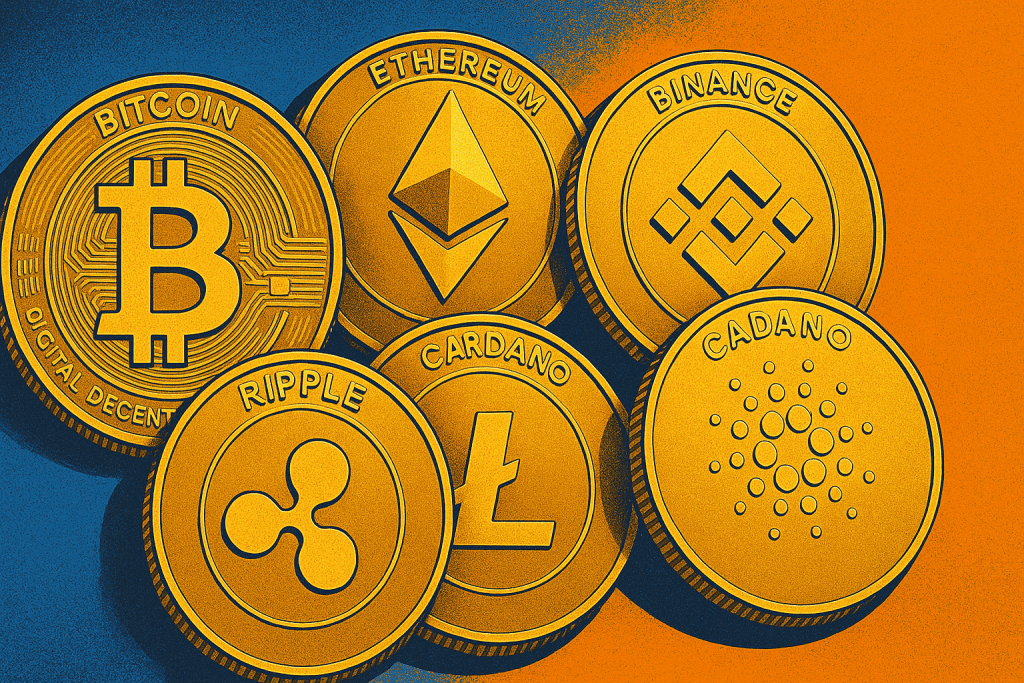
Altcoins appear in many parts of the digital economy. Investors use them to diversify beyond a single asset and to gain exposure to specific themes such as smart contracts, privacy, or stable prices. Developers rely on them to power apps, pay fees, and reward early adopters. Some projects focus on cross-border payments or remittances, while others specialise in gaming, art, or identity.
Investment and portfolio strategy
Many people hold Altcoins as part of a broader set of assets. They balance potential gains with the extra risk and use position sizing to manage exposure.
Decentralised finance and web services
DeFi platforms run on tokens that fuel lending, borrowing, and yield tools. Tokens can also grant voting rights over upgrades and fees.
Payments and cross-border transfers
Certain coins target fast, low-cost payments. Users and businesses send funds across borders with fewer intermediaries than in traditional systems.
Gaming, NFTs, and digital communities
Game tokens and NFT-related coins reward players, creators, and collectors. Communities form around these assets and shape project direction, marketing, and long-term plans.
Resources
- CryptoNews. What Are Altcoins?
- CoinTelegraph.A Beginner’s Guide to Cryptocurrencies Beyond Bitcoin
- GeeksforGeeks. What Are Altcoins?
- Coin Insider. Altcoins
- Forbes. What Are Altcoins?