
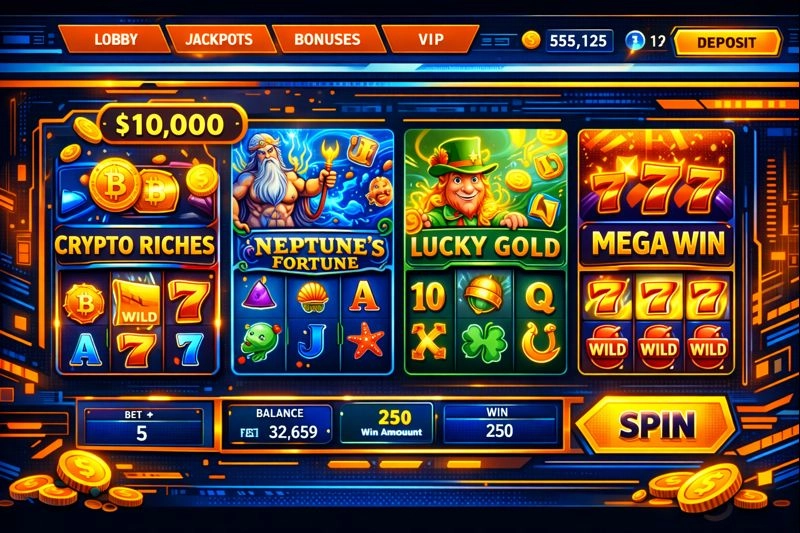
Casino site slots are digital equivalents of mechanical slot machines, hosted on regulated online platforms. They use Random Number Generators (RNGs) to produce unpredictable outcomes for each spin. These games are accessed via internet browsers and vary in gameplay complexity, visual style, and format.
Key Takeaways
- Casino site slots simulate traditional slots using software-based algorithms
- Outcomes are determined by RNGs and not influenced by player behavior
- Accessible on computers and mobile devices without installation
- Themes range from simple to complex, often enhanced with Gen AI animations
- Regulated platforms are subject to licensing, audits, and compliance rules
How It works
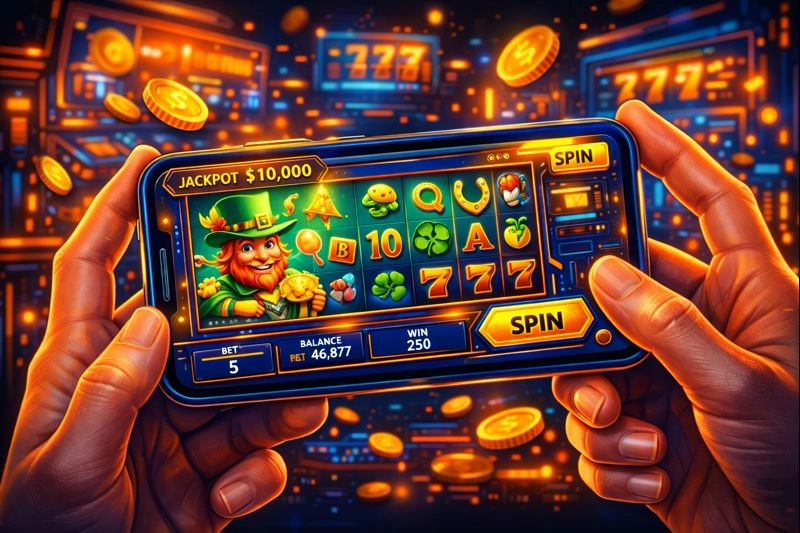
Casino site slots function as software-driven games within online environments. Instead of physical reels or levers, they use digital interfaces powered by backend code that mimics chance-based mechanics. The core algorithm behind every spin is a Random Number Generator (RNG), which ensures each result is statistically independent from the last.
Each symbol on a reel corresponds to a specific number within the RNG’s sequence. When a user initiates a spin, the system instantly generates a random combination that determines the outcome. This occurs even before the animation of spinning reels finishes, meaning the result is predetermined by software and not visual feedback.
Understanding how casino site slots operate is essential for accurate risk assessment and decision-making, including when comparing real platforms like our casino. Misunderstandings about how these games work can lead to overconfidence, mistaken strategies, or unfounded expectations.
Some modern implementations integrate AI technology to enhance visual design and user experience. These might include adaptive sound effects, themed animations, and bonus features that change based on user interaction. Although such enhancements may appear intelligent, they do not alter or influence the mathematical fairness of the game.
Casino site slots are hosted entirely online, requiring no downloads or physical machines. Most are accessible through browsers and support cross-device functionality. These platforms rely on robust computer systems for real-time processing, encryption, and secure transaction handling.
Slot games often fall into subcategories, including:
- Classic Slots (3-reel, simple symbols)
- Video Slots (5+ reels, bonus rounds, rich visuals)
- Progressive Jackpots (shared prize pools increasing over time)
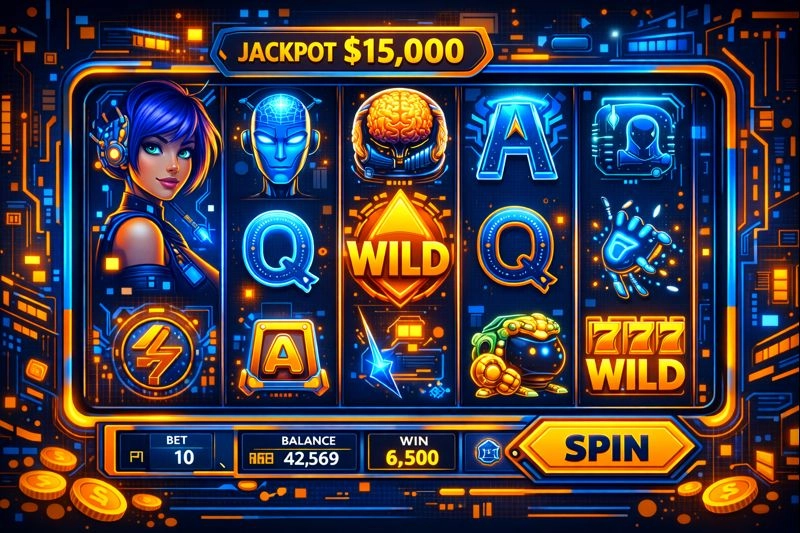
These variants may also incorporate thematic content like mythology, pop culture, or futuristic robots for added entertainment value.
For more foundational details, refer to the comprehensive overview of casino site structures.
Why Casino Site Slots Matters
Understanding how casino site slots operate is essential for accurate risk assessment and decision-making. Misunderstandings about how these games work can lead to overconfidence, mistaken strategies, or unfounded expectations.
From a technical perspective, casino site slots also illustrate key applications of probability theory, software engineering, and digital interface design. These games are often used as case studies in intelligence-driven content personalization, especially when enhanced by Gen AI models.
For regulators, developers, and analysts, casino site slots serve as a live model for exploring how user experience and security coexist in real-time software systems. RNG certification, load balancing, and interface usability are all key considerations in maintaining the integrity of these platforms.
Quick Reference Table
| Feature | Description |
|---|---|
| Outcome Determination | RNG (Random Number Generator) |
| Visual Enhancements | Gen AI-powered themes and animations |
| Gameplay Types | Classic, video, jackpot, bonus reels |
| Platform Access | Browser-based (no downloads needed) |
| System Requirements | Compatible with most modern devices |
| Regulatory Compliance | Licensed by local or international authorities |
Common misconceptions
- Misunderstandings about how casino site slots function are widespread and can affect how users interact with these platforms. Below are the most common misconceptions, along with clarifications to help users better interpret slot mechanics.
- Myth: Slots follow patterns that players can detect
This is false. Slot outcomes are generated by Random Number Generators (RNGs), which ensure that each result is completely independent. There are no cycles, memory, or predictable sequences. - Myth: Games “tighten” or “loosen” based on time or payouts
This misconception arises from perceived streaks. In reality, regulated games cannot adjust payout behavior dynamically in response to user wins or losses. Any changes to payout percentages must be made through formal software updates and licensing review. - Myth: Higher bets improve the chance of winning
While higher bets may unlock access to certain bonus rounds or jackpot eligibility, they do not increase the odds of winning a standard spin. The probability is fixed regardless of wager size. - Myth: “Near-misses” indicate you are close to winning
Visual animations that show two matching symbols with the third just off-screen are designed for user engagement. They have no predictive value and do not signal higher odds in future spins. - Myth: Mobile versions are less reliable or less fair
Mobile and desktop versions of casino site slots run on the same underlying systems. RNG logic, fairness, and data security protocols are consistent across all platforms.
FAQ
What is the difference between online slots and physical machines?
Online slots use digital interfaces and software, while physical machines rely on mechanical or electronic systems. Both typically use RNGs to generate outcomes.
Are casino site slots regulated?
Yes, in most jurisdictions, platforms hosting slot games must be licensed and audited for fairness.
Do AI or Gen AI technologies affect how slots work?
AI may enhance visual design or personalization features, but core gameplay and randomness are governed by traditional algorithms like RNGs.
Resources
- GamblersPick – Best Online Slot Sites in 2026
- Casino.org – How Slot Machines Work
- Forbes – The Future Of AI In Gaming
- Gambling.com – Slot Game Reviews
- Wired – Where’s the Fun in AI Gambling?