

Korean Pork Belly is one of the most recognizable and widely enjoyed dishes associated with Korea. Served sizzling on tabletop grills, it turns meals into shared experiences rather than simple acts of eating. Friends, families, and coworkers gather around the grill, cooking meat together and talking as they eat. This social aspect gives the dish strong cultural value and explains why it appears so often in everyday life.
As Korean food gains attention worldwide, pork belly continues to lead the way. Korean barbecue restaurants thrive in major cities, and food content online often features this dish. Its appeal lies in its simplicity, rich flavor, and interactive style. Unlike many meals prepared entirely in the kitchen, this one unfolds at the table. That balance of taste, connection, and ritual reflects long-standing Traditions and keeps Korean Pork Belly central to both local dining and global K-Culture.
What is Korean Pork Belly?
Pork Belly is a classic Korean dish made from thick slices of pork belly grilled without heavy seasoning. In Korea, people commonly call it samgyeopsal, which translates to “three-layered flesh.” The name refers to the visible layers of fat and lean meat that define this cut. Restaurants usually bring the meat raw to the table, where diners cook it themselves.
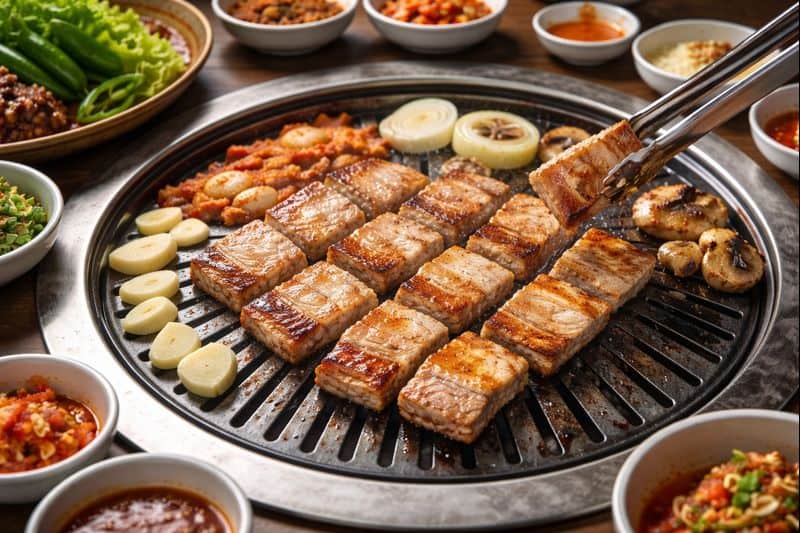
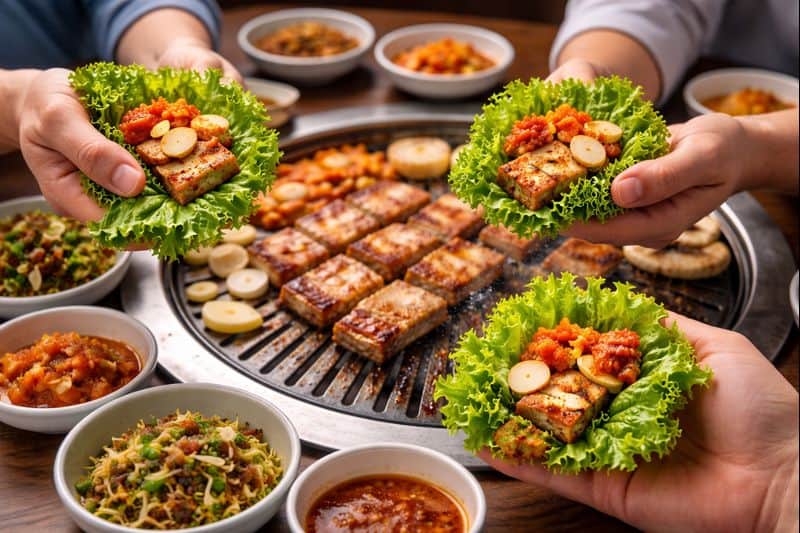
Once cooked, people cut the meat into bite-sized pieces and wrap it in lettuce or perilla leaves. They often add garlic, chili paste, or fermented sides for balance. This method highlights the natural flavor of the meat instead of masking it with marinades. The dish focuses on texture, freshness, and contrast. Because of that approach, Korean Pork Belly feels both simple and satisfying, making it easy to enjoy repeatedly.
Background of Korean Pork Belly
Korean Pork Belly developed its modern identity during the late 20th century, although pork itself has long been part of Korean meals. Historically, beef carried higher status and cost, while pork remained more accessible. As Korea industrialized in the 1970s and 1980s, eating habits shifted. Urban workers sought affordable, filling meals that encouraged relaxation after long workdays.
Pork Belly fit that need perfectly. Small restaurants near offices began serving grilled pork belly with alcohol, creating a casual dining culture. Over time, this practice became routine. The dish came to symbolize comfort, release, and social bonding. Advances in livestock farming and meat distribution also increased availability. These changes allowed pork belly to move from a practical option to a cultural staple closely tied to everyday Korean Culture.
Rise in Popularity
Pork Belly grew beyond Korea as Korean media reached global audiences. Television dramas and variety shows often depict characters grilling meat together, making the dish visually appealing. Those scenes sparked curiosity among international viewers who wanted to experience the food they saw on screen.
At the same time, Korean barbecue restaurants expanded rapidly across Asia, North America, and Europe. Social media amplified this growth. Videos showing meat sizzling on grills and wrapped neatly in greens attracted millions of viewers. Food creators praised the hands-on experience and bold flavors. Because the dish requires minimal seasoning, it adapted easily to different regions. As a result, Korean Pork Belly became a gateway dish for people exploring Korean cuisine for the first time.
Key Aspects
Pork Belly relies on a few essential elements that work together to create a complete meal experience. Each part plays a specific role in balance and enjoyment.
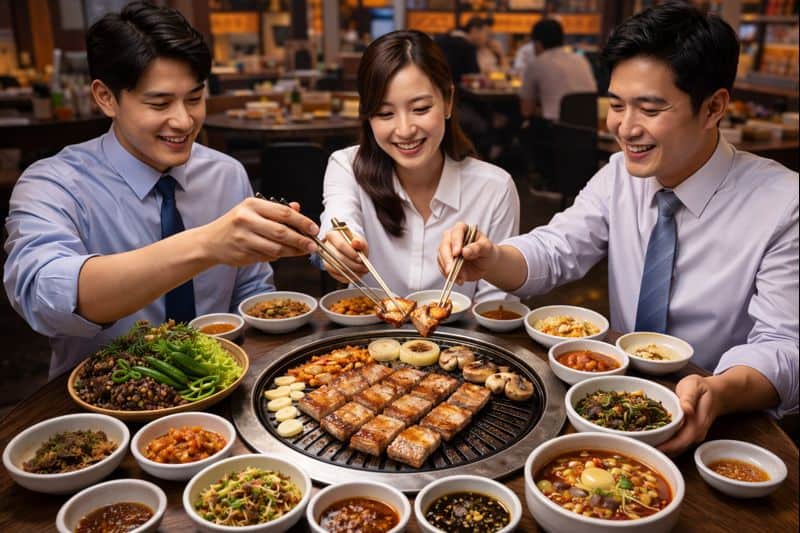
Key features include:
- Thick slices of fresh pork belly with visible fat layers
- Tabletop grills that allow diners to control cooking
- Side dishes such as kimchi, sauces, and fresh vegetables
The meat provides richness, while vegetables add freshness and crunch. Fermented sides cut through the fat and refresh the palate. Cooking at the table encourages pacing and interaction. Diners adjust doneness based on preference, which adds personal choice. This combination of elements turns a simple cut of meat into a full dining ritual rather than just a dish.
What Makes Korean Pork Belly Unique?
Pork Belly stands apart because it blends food with social structure. Many cuisines focus on presentation or complex preparation. This dish focuses on participation. Everyone at the table plays a role, whether grilling, cutting, or sharing wraps. That shared responsibility builds connection.
Cultural meaning also sets it apart. Pork belly meals often mark celebrations, team dinners, or casual gatherings. The act of eating together carries emotional weight. In addition, the dish adapts well to modern lifestyles. It works in traditional restaurants, trendy spaces, and home kitchens. This flexibility allows it to stay relevant while preserving its core identity, which strengthens its place in contemporary dining culture.
Criticisms
Pork Belly does face criticism, particularly related to health. The cut contains a high fat content, which raises concerns about cholesterol and calorie intake. Eating it frequently without balance may affect overall nutrition. Smoke and grease from tabletop grilling can also create discomfort in poorly ventilated spaces.
Another concern involves sustainability and rising prices. Increased demand for pork belly has affected supply chains and farming practices. Some diners also note that popularity can lead to inconsistent quality abroad. Despite these issues, many restaurants address concerns by offering better ventilation, portion control, and more vegetable-focused sides. These adjustments help maintain enjoyment while responding to modern expectations.
Key Takeaways
Korean Pork Belly represents a blend of flavor, culture, and connection. Its origins tie closely to everyday life and working culture in Korea. Over time, it evolved into a symbol of comfort and shared experience. The dish highlights quality ingredients rather than complex techniques.
Its global rise reflects growing interest in Korean dining and social eating. Media exposure and restaurant expansion helped introduce it worldwide. While challenges exist, its adaptability keeps it relevant. For many people, trying pork belly becomes their first step into Korean cuisine. That lasting appeal ensures Korean Pork Belly remains a defining part of modern food culture.
Resources
- Sweet Banana Chef. Korean Pork Belly: The Ultimate Guide to Samgyeopsal
- Quanna Tistory. Samgyeopsal: The Ultimate Guide to Korean BBQ Pork Belly
- Korean TOPIK. Samgyeopsal: How to Choose, Cook, and Eat
- Flavor365. How Pork Belly Conquered South Korea
- U-Grill Korean BBQ. Korean Pork Belly Samgyeopsal Guide