
Vechain sits at the crossroads of enterprise tech and Cryptocurrency, aiming to make real-world data easier to trust and share. Instead of focusing only on payments, Vechain targets supply chains, product authenticity, and sustainability reporting. That matters because companies increasingly need proof, not promises, when they talk about where goods come from and how they are made.
This article is for curious beginners, builders, and business teams who want a clear overview without hype. It also helps if you want to understand how a product can be tracked from factory to shelf. You’ll see where Vechain shines, where it still faces hurdles, and what to watch as the ecosystem evolves.
By the end, you’ll understand what Vechain does, how its two-token model supports everyday activity, and why partnerships and tooling play a big role. You’ll also get a simple mental checklist for comparing Vechain projects with similar “real-world data” networks. Finally, you’ll find resources for deeper reading.
What is Vechain?
Vechain is a public network and ecosystem built to help businesses record, verify, and share information about real-world items and events. It connects physical goods, like food or luxury products, to digital records so companies can prove where something came from, how it moved, and what conditions it experienced. In simple terms, Vechain turns supply chain updates into data that others can check.
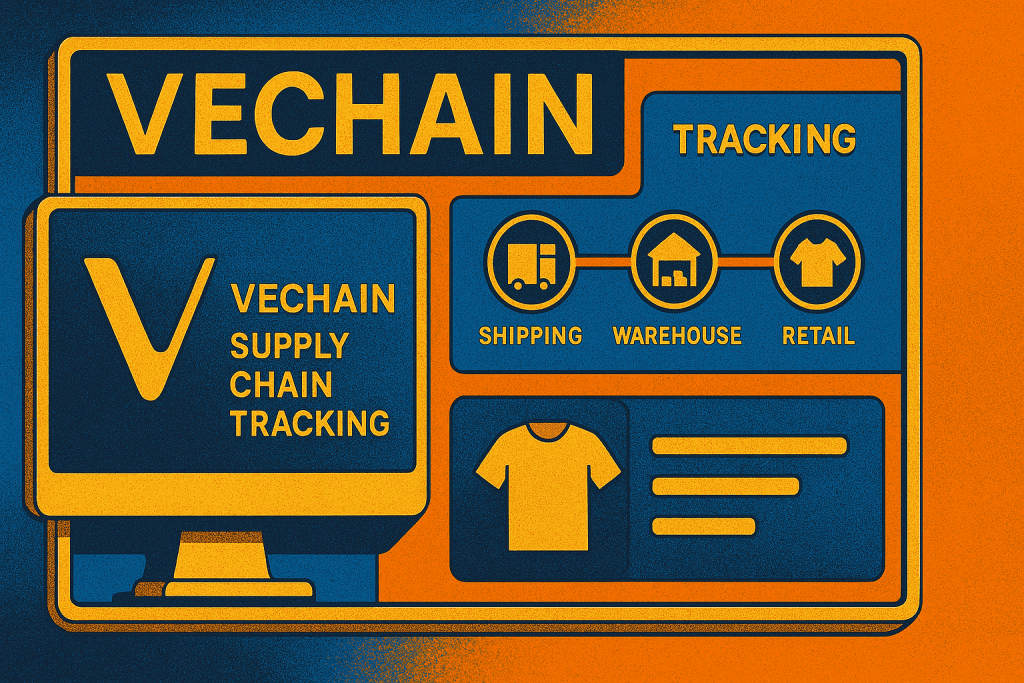
The project uses Blockchain technology to create tamper-resistant records, which can reduce disputes and improve transparency across many parties. For example, a producer can log a shipment, a logistics partner can add transport details, and a retailer can confirm delivery, all while keeping an auditable trail.
Vechain also supports smart contracts, which are small programs that run on the network. These contracts can automate tasks such as releasing a certificate, triggering a warranty, or calculating a sustainability score. To keep day-to-day activity predictable, Vechain uses a two-token design: one asset holds value, while the other pays for network actions. In practice, data often enters the system through QR codes, NFC chips, or connected sensors that tie a physical item to its digital record. That focus on verified data makes Vechain useful when many stakeholders must coordinate.
Background of Vechain
Vechain combines a few practical ideas to make business adoption easier. It aims for stable fees, clear roles for validators, and tooling that helps teams launch apps without building everything from scratch. While the network supports advanced features, the basic building blocks are straightforward. In addition, the design tries to keep everyday operations affordable, even when market prices swing.
List of Key Components or Aspects:
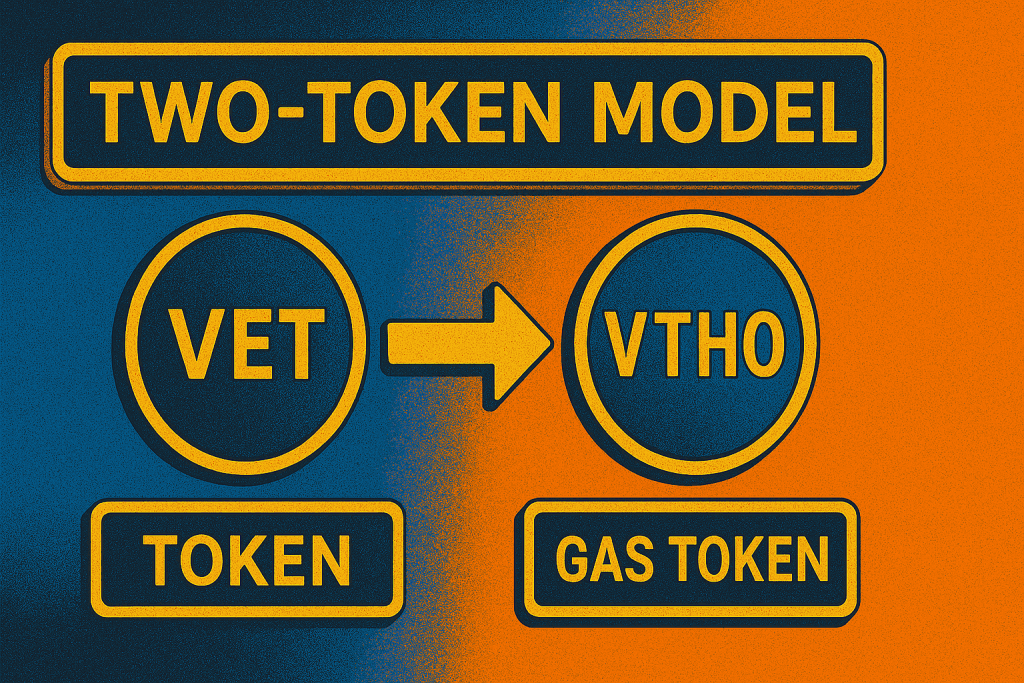
- Two-token model (VET and VTHO): one asset represents network value, while the other covers usage costs.
- Proof-of-Authority validation: approved validators produce blocks, which can improve speed and consistency.
- Smart contracts and dApps: developers automate rules, approvals, and reporting workflows.
- Tooling for enterprises: templates, APIs, and management dashboards help teams integrate faster.
- IoT and data tagging: QR, NFC, and sensors connect physical products to on-network records.
- Governance and incentives: node tiers and voting align long-term participants with network goals.
Together, these pieces let Vechain support traceability, authenticity checks, and compliance reporting. They also make it possible to design user experiences where end customers scan a label and review a product’s history in seconds, without learning the underlying tech. For many teams, that simplicity is the main selling point.
History of Vechain
Vechain began as a project focused on improving product traceability and anti-counterfeiting for enterprises. It gained attention by targeting practical business problems, then expanded into a broader public-network model with smart contracts and a dedicated economic system. Over time, the team emphasized partnerships, tooling, and governance structures that could appeal to regulated industries.
| Year | Milestone | Why it mattered |
|---|---|---|
| 2015 | Project founded | Set the initial goal of enterprise traceability. |
| 2017 | Rebrand to VeChain Thor vision | Shifted toward a public ecosystem and broader use cases. |
| 2018 | VeChainThor mainnet launch | Introduced the two-token model and independent network. |
| 2019 | ToolChain and enterprise tooling expanded | Made integrations faster for non-crypto teams. |
| 2021 | PoA upgrades and ecosystem growth | Improved security assumptions and performance. |
| 2023 | Sustainability and carbon tracking use cases increased | Strengthened the “trusted data” narrative. |
This timeline shows a steady move from a narrow supply-chain tool to a platform that supports multiple industries. It also explains why Vechain conversations often focus on adoption, partners, and real deployments, not just technical novelty.
Types of Vechain
People use “types of Vechain” to mean different things, since the ecosystem includes tokens, network roles, and business products. The most common categories are the ones below, each serving a distinct purpose.
Token types
Vechain uses VET as the primary value and staking asset. It also uses VTHO as the fuel that pays for transactions and contract execution. This split can help keep usage costs steadier for apps.
Node and validator roles
The network recognizes different node tiers, such as Authority nodes (block producers) and economic nodes (participants who meet certain holding and eligibility rules). These roles affect voting power, responsibilities, and incentives.
Product and platform layers
On top of the base network, Vechain offers business-focused tooling, often discussed under “ToolChain” style offerings. These layers package templates, identity features, and integrations so companies can roll out tracking and reporting faster.
Application categories
You’ll also see Vechain solutions grouped by what they do: provenance and authenticity, logistics visibility, warranty and after-sales records, and ESG data reporting. Each category uses the same network core but collects different data and triggers different smart-contract actions.
Together, these categories explain why Vechain can look like a token project from one angle and a business platform from another.
How Does Vechain Work?
Vechain works by linking a real-world item to a digital record, then letting approved validators write updates in a shared ledger.
- A company assigns an identifier to an item or batch, often via a QR code, NFC tag, or sensor.
- The company records an event, such as “produced,” “shipped,” or “inspected,” along with any supporting data.
- A user signs the action through an app or service. In many setups, a Crypto wallet handles the signing in the background.
- Validators confirm the transaction and add it to the next block.
- Smart contracts apply rules, like checking required fields or triggering a certificate.
- Other parties read the record to verify provenance, condition, or compliance.
Because the record persists, each update builds a traceable history that is hard to quietly rewrite later. Fees are paid in VTHO, and many apps hide this step from end users.
Pros and Cons of Vechain
Vechain offers clear strengths for enterprise-style use cases, but it also comes with tradeoffs that matter for builders and investors. When you evaluate it, focus on real adoption signals, data quality, and how easy integrations are. If you plan on Trading VET, consider liquidity, volatility, and the project’s reliance on partner-driven demand.
| Pros | Cons |
|---|---|
| Designed for traceability, authenticity, and reporting | Adoption depends on sustained enterprise usage |
| Two-token model can help stabilize transaction costs | Centralization concerns can arise from validator selection |
| Tooling can reduce time to deploy business apps | Hard to verify off-network data honesty without trusted inputs |
| Fast, predictable confirmations for many workflows | Competition from other “enterprise ledger” platforms |
Overall, Vechain works best when a project has strong operational partners and reliable data sources to feed the system. For pure speculation, the value story can be less clear.
Uses of Vechain
Vechain shows up most often where multiple parties need a shared, checkable record for physical goods and business claims.
Supply chain traceability
Brands can track batches from origin to retail, attach inspection results, and share proof with partners or shoppers through a simple scan. Cold-chain logistics teams can also log temperature events to catch spoilage early.
Anti-counterfeiting and authenticity
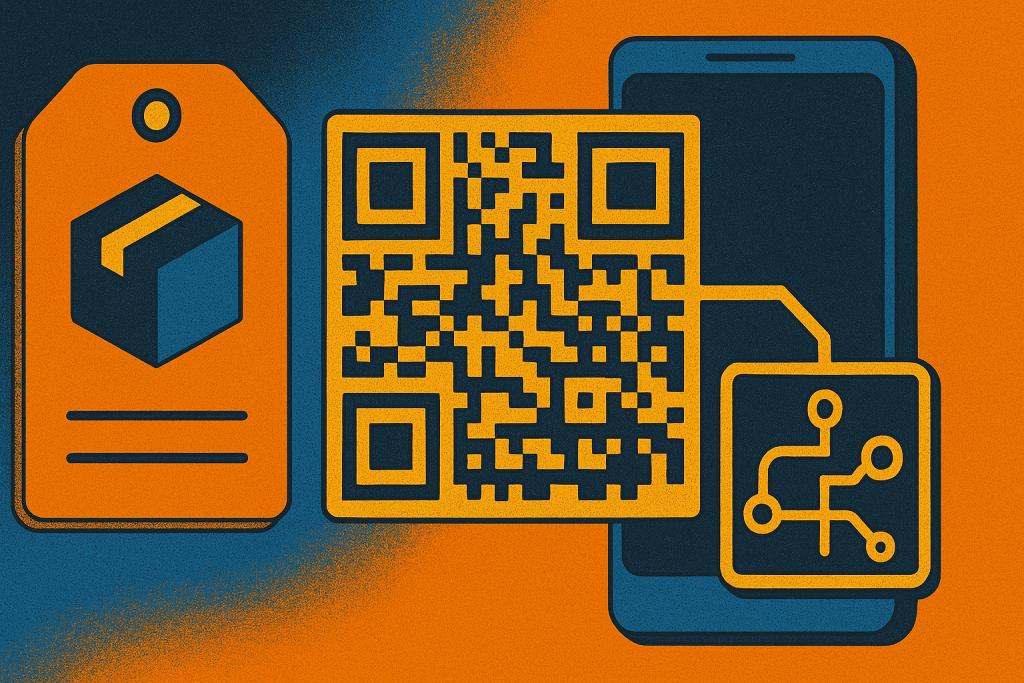
Luxury goods, wine, and pharmaceuticals can link serial identifiers to verified histories, which helps reduce gray-market risk.
Sustainability and ESG reporting
Organizations can log emissions-related data, audits, and certifications so reports rely on consistent records instead of scattered spreadsheets.
After-sales and warranty records
Manufacturers can store service events and warranty status, which supports faster customer support and resale verification.
These uses work best when data capture is disciplined and when incentives exist for every participant to update records on time. When that happens, Vechain becomes a practical trust layer.
Resources
VeChain Insider. Introduction to VeChain
Webisoft. What is VeChain?
BlockNews. What is VeChain, How Does it Work, and Should You Buy VET in 2025?
CryptoManiaks. What is VeChain
Webisoft. What is VeChain?