
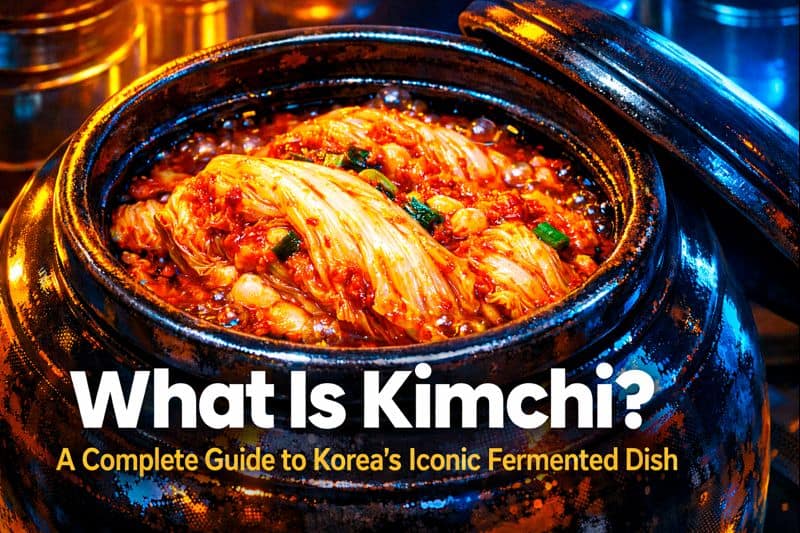
Kimchi is one of the most recognized foods from Korea, yet many people still ask what is kimchi and why it matters so much. At its core, This is a fermented vegetable dish that reflects daily life, history, and values. It appears at nearly every Korean meal, whether at home or in restaurants. Beyond taste, it carries deep cultural meaning tied to family, seasons, and survival. In Korean Culture, food often connects people, and it does this better than most dishes. Its rise in global popularity also comes from growing interest in fermented foods and traditional diets. Chefs and home cooks praise its bold flavor, long shelf life, and versatility. You can eat it on its own, cook with it, or adapt it to modern recipes. Despite global changes, kimchi remains rooted in long-standing Traditions that continue to shape how it is made and shared today.
What is Kimchi?
Kimchi is often the first question people ask when they encounter this vibrant, pungent dish. Kimchi is a traditional Korean food made by fermenting vegetables with seasoning over time. The most common version uses napa cabbage, although radish and other vegetables are also popular. In Korean, kimchi is written as 김치 and is sometimes spelled gimchi in English. Fermentation gives kimchi its sour, savory flavor and natural preservation. Unlike pickled foods that rely on vinegar, It ferments through beneficial bacteria. This process allows flavors to deepen as it ages. Fresh tastes crisp and lightly spicy, while older it becomes tangier and richer. Because of this range, people enjoy it at different stages. It is served as a side dish but also works as an ingredient in soups, stews, and fried rice.
Background of Kimchi
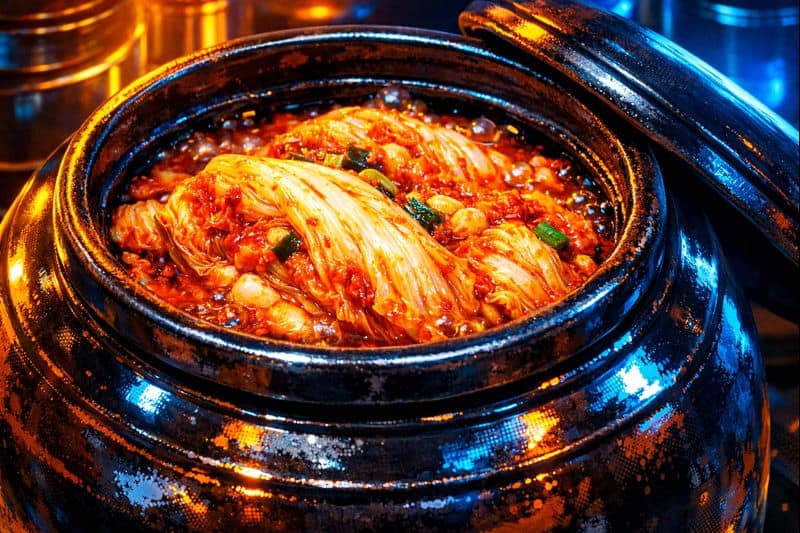
To fully understand what is Kimchi for, it helps to explore where it began. It dates back thousands of years, when early Koreans needed to preserve vegetables during cold winters. Early forms of this were simple and often lacked spice. Chili peppers only became common after they were introduced to Korea in the late 16th century. As new ingredients arrived, it evolved. Garlic, ginger, and salted seafood added depth and complexity. Over time, regions developed their own styles based on climate and available produce. Kimchi-making became closely tied to seasonal life. One important tradition is kimjang, a communal event where families prepare large batches together. This practice ensured enough food for winter while strengthening social bonds. Kimchi grew alongside Korean society, reflecting changes in agriculture, trade, and daily life.
Rise in Popularity
Kimchi became a global question as Korean culture gained international attention. Korean dramas and films often show characters sharing meals, which sparked curiosity among viewers. K-pop idols also helped bring attention to everyday foods through interviews and social media. At the same time, interest in fermented foods increased worldwide. Nutrition experts highlighted the benefits of traditional fermentation methods. Kimchi fit well into this trend because it combines flavor with function. Restaurants outside Korea began adding it to menus, sometimes in fusion dishes. Food blogs and short videos made preparation look accessible. As a result, It moved from specialty shops to mainstream grocery stores. This global exposure helped people see kimchi not just as a side dish, but as a flexible ingredient that fits many cuisines.
Key Aspects
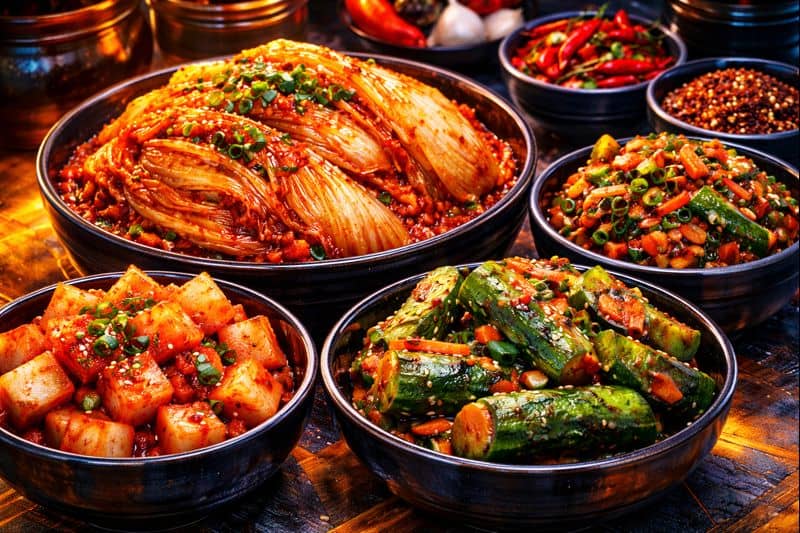
Kimchi comes in many varieties, which often surprises first-time learners. While cabbage kimchi is the most common, it is only one type. Key aspects include ingredients, preparation, and fermentation style. Common elements are:
- Vegetables such as napa cabbage, radish, or cucumber
- Seasonings like chili flakes, garlic, ginger, and salt
- Fermentation that develops flavor naturally over time
Many people ask what is kimchi made of, and the answer depends on the recipe. Some versions include fish sauce or salted shrimp, while others are fully plant-based. Texture and spice level also vary by region. Commercial products range from mild to very spicy. Home-made often reflects family preferences. This variety keeps it interesting and adaptable for different tastes and diets.
What Makes it Unique?
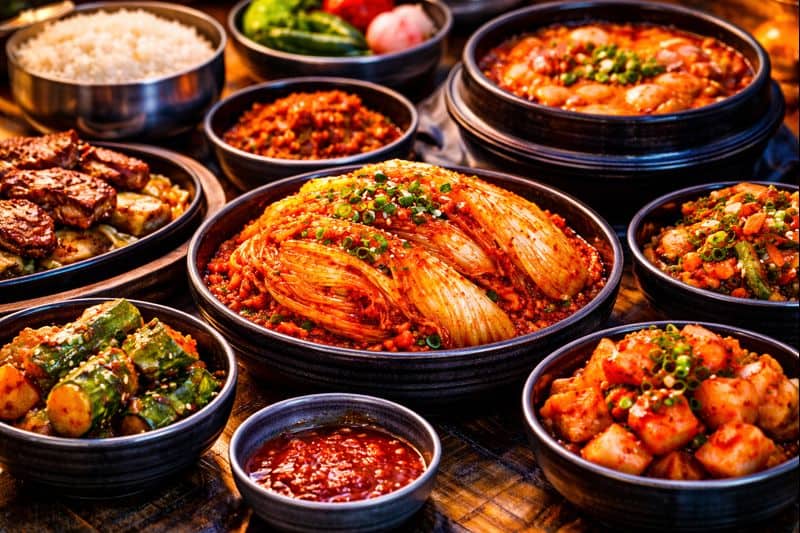
Kimchi stands out because it blends food, culture, and time into one dish. Few foods change flavor as they age, yet remain enjoyable at every stage. It also carries emotional value. Recipes are often passed down through generations, making each batch personal. The communal aspect of preparation adds meaning beyond nutrition. Modern packaging and storage methods have made it easier to transport and export. Even so, its identity remains tied to tradition. Kimchi adapts to modern kitchens while holding onto its roots. This balance between old and new is a key reason it continues to thrive in both local homes and global markets.
Challenges or Criticisms
Despite its popularity, kimchi does face criticism. Its strong smell and bold flavor can be overwhelming for some people. Spice levels also limit accessibility for those sensitive to heat. Another concern is sodium content, especially in store-bought varieties. Mass production sometimes relies on shortcuts that affect fermentation quality. Some products use preservatives rather than natural aging. These issues raise questions about authenticity and health balance. However, awareness has led many producers to improve transparency. Consumers now look for naturally fermented options and clearer labeling. These changes help address concerns while keeping kimchi accessible.
Key Takeaways
Kimchi is a simple question with a deep answer. It is a fermented Korean dish rooted in history, community, and survival. It uses vegetables, seasoning, and time to create complex flavor. The dish reflects shared values and seasonal living. Global interest has helped it reach new audiences, yet its cultural heart remains intact. Kimchi continues to adapt without losing identity. Whether eaten fresh, aged, or cooked into meals, it remains central to Korean food culture. Understanding this means understanding how tradition and everyday life connect through food.
Resources
- Simply Korean Food. The Korean Fermented Superfood Explained
- The Spruce Eats. What Is Kimchi?
- Korean Local. What Is Kimchi?
- Love Food Feed. What Is Kimchi?
- Amazing Food and Drink. History: The Most Famous Fermented Dish