
Manhwa has become a major pillar of modern Korean Culture and global digital entertainment. As international audiences discover more Korean content, many readers ask a simple but important question: What Is Manhwa, and why does it stand out from other comics? At its core, manhwa combines visual storytelling with emotional depth, often reflecting real social issues and personal growth. Unlike traditional print comics, most manhwa is designed for digital reading, which matches how people consume content today. This shift has helped it reach readers far beyond Korea.
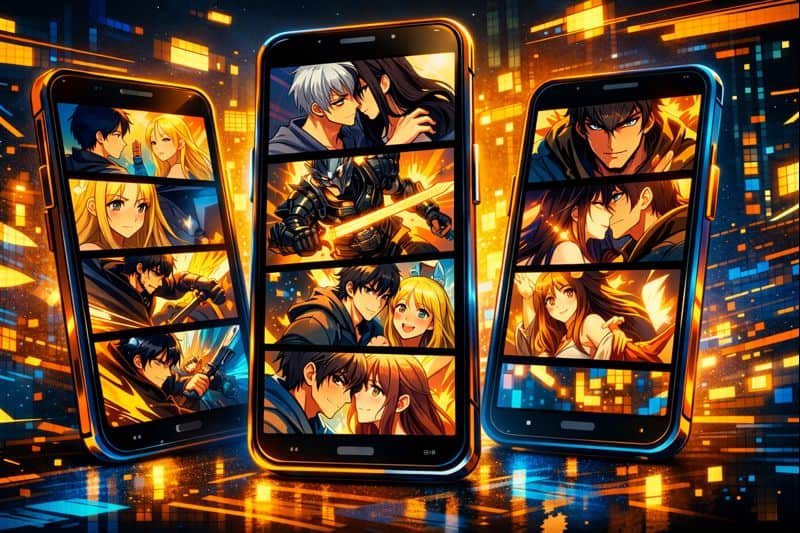
Its popularity continues to grow thanks to mobile apps, translations, and adaptations into dramas and animation. Stories range from fantasy worlds to everyday romance, making them easy to connect with. Manhwa is no longer a niche interest. Instead, it plays a key role in shaping how global fans engage with Korean stories and creative expression.
What is Manhwa?
Manhwa refers to Korean comics or graphic narratives created by Korean artists. The term comes from the Korean word 만화, which broadly means comics or cartoons. While the word looks similar to manga, the two forms developed differently and reflect distinct cultural styles. Manhwa often uses full color and follows a vertical reading format, especially in its digital form. This design suits smartphones and tablets, making reading feel natural and continuous.
Many people also associate manhwa with webtoons, which are serialized online comics released in episodes. Although not all manhwa are webtoons, the formats are closely linked today. Stories tend to focus on character development, emotional tension, and long-form storytelling. Rather than quick gags, creators build slow, meaningful arcs. This approach helps readers form strong emotional bonds with characters and plots.
Background
What Is Manhwa has a long history that predates modern digital platforms. Early Korean comics appeared in newspapers during the early 1900s. These works often included satire, social commentary, or short illustrated stories. During the Japanese occupation of Korea, creators faced strict censorship, which limited themes and expression. Despite this, artists continued to develop visual storytelling skills.
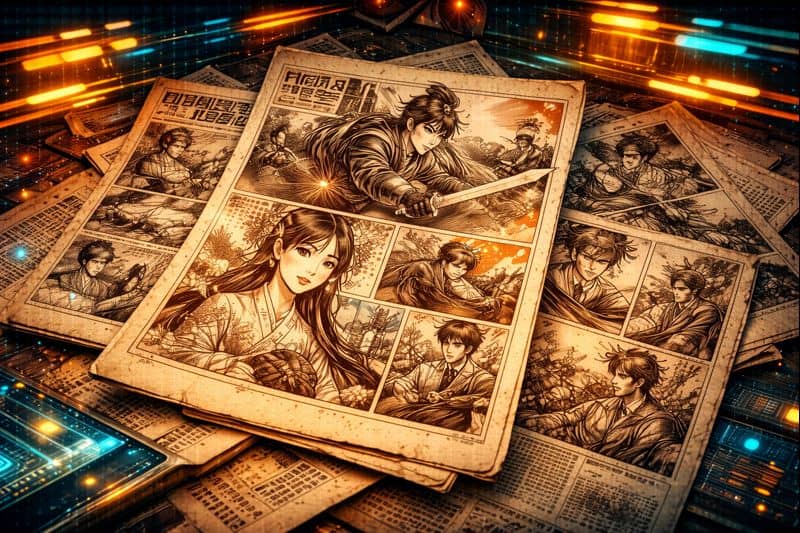
After the Korean War, manhwa shifted toward entertainment for younger audiences. Printed comic books became popular in rental shops, where readers could borrow volumes cheaply. By the late 20th century, genres expanded to include romance, historical drama, fantasy, and action. These stories often reflected social changes, economic pressure, and evolving family roles. This strong narrative foundation later allowed manhwa to transition smoothly into digital formats when technology advanced.
Rise in Popularity
What Is Manhwa reached new heights with the rise of smartphones and high-speed internet. Digital platforms transformed how comics were produced and consumed. Instead of relying on print sales, creators could publish episodes online and reach readers instantly. Platforms dedicated to serialized comics helped standardize the vertical scroll format.
Global interest grew as translations became widely available. International readers could now access the same stories as Korean audiences. Adaptations into dramas and animated series pushed popularity even further. When viewers enjoyed a show, many sought out the original manhwa to explore deeper storylines. Social media also played a role, with screenshots and recommendations spreading quickly. As a result, manhwa became part of everyday digital habits for millions of readers worldwide.
Key Aspects
Manhwa includes several defining features that shape the reading experience.
- Vertical scrolling designed for mobile screens
- Full color artwork that enhances mood and pacing
- Episodic releases, often updated weekly
- Wide genre range, from romance to fantasy and action
Many stories blend multiple genres, which keeps narratives fresh and flexible. Creators often focus on emotional build-up, using spacing and panel size to guide reader reactions. This format allows dramatic moments to feel more intense. The digital structure also supports long-running series, encouraging readers to return regularly. These features together explain why manhwa feels modern and accessible compared to traditional comics.
What Makes What Is Manhwa Unique?
What Is Manhwa stands apart because it balances local identity with global appeal. Stories often reflect everyday Korean life, including school systems, workplace culture, and social expectations. At the same time, themes like ambition, love, and self-discovery feel universal. This balance helps international readers connect without feeling lost.
The reading format also sets it apart. Vertical scrolling creates a smooth flow that feels closer to watching scenes unfold. Color adds emotional weight, especially in dramatic or romantic moments. Fan interaction further enhances uniqueness. Many platforms allow readers to comment after each episode, creating a shared experience. This feedback loop strengthens the bond between creators and audiences. Some series even gain direction changes based on reader response, which keeps engagement high.
Criticisms
Despite its success, manhwa faces several challenges. One major concern involves creator workload. Weekly release schedules can lead to burnout and health issues. Long hours and tight deadlines affect both writers and artists. Another issue relates to content saturation. With so many series available, new works can struggle to stand out.
There are also concerns about repetitive tropes, especially in popular genres like fantasy romance. Some critics feel certain stories rely too heavily on familiar formulas. Piracy presents another problem, as illegal uploads reduce revenue for creators. While platforms continue to improve protections, the issue persists. These challenges highlight the need for sustainable practices within the industry.
Key Takeaways
Manhwa represents a powerful blend of storytelling, art, and technology. It evolved from printed comics into a global digital phenomenon. The focus keyphrase, What Is Manhwa, goes beyond a definition. It reflects how Korean creators adapted tradition to modern platforms. Manhwa thrives because it prioritizes emotion, accessibility, and reader engagement.
Its strong connection to Korean Culture adds authenticity, while universal themes invite global audiences. Digital formats allow stories to grow organically and reach millions. Although challenges exist, the industry continues to adapt. For readers interested in modern storytelling or Korean media, manhwa offers an engaging and meaningful experience worth exploring.
Resources
- Webtoon: Webtoon Entertainment
- LinkedIn: Trends shaping the world of webtoons
- The Korea Times: Global influence of Korean digital comics
- V&A: Background and history of webtoons
- Go! Go! Hanguk: Fun facts about webtoons and Korean culture