
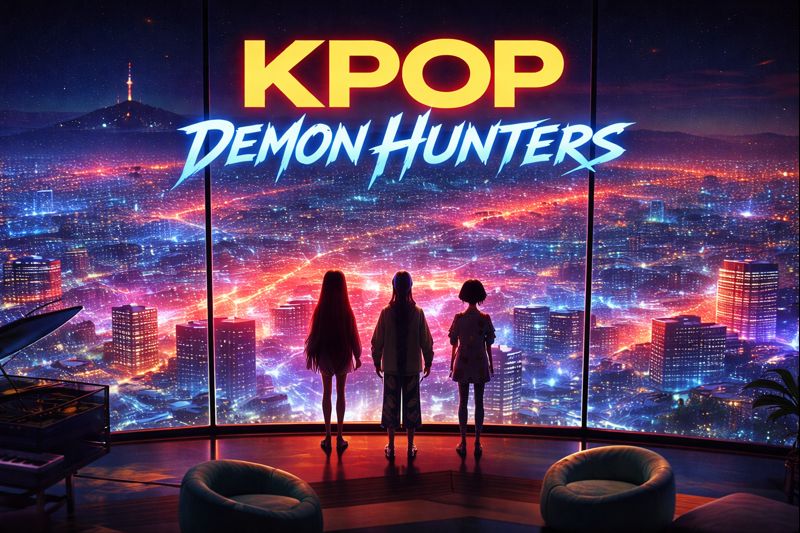
The phrase kpop demon hunters sounded unusual at first, yet it quickly became one of the most talked-about releases of the year. Fans were drawn in by the promise of music, action, and animation colliding in one ambitious project. What started as curiosity soon turned into excitement as teasers revealed stylish characters, high-energy performances, and a supernatural storyline.
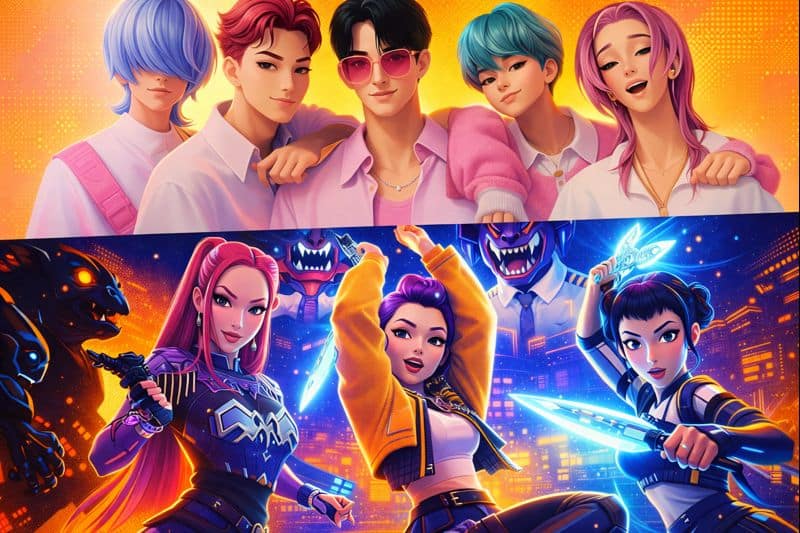
The project introduces a fictional idol group whose members lead double lives. On stage, they perform to cheering crowds. Offstage, they battle demons threatening the world. This contrast instantly resonated with fans familiar with the pressures and mystique surrounding idol life.
Viewers also noticed how seriously the creators treated both sides of the story. Concert scenes felt authentic, while action sequences carried real emotional weight. Early reactions praised the balance between entertainment and storytelling. This article explores why the project mattered, how fans experienced it, and which moments defined its success, offering a full look at one of the most talked-about releases blending pop culture and animation.
Overview of Kpop Demon Hunters
At its core, kpop demon hunters is an animated feature that blends musical performance with supernatural action. Released worldwide on Netflix, the film reached audiences simultaneously, which played a major role in its rapid global spread. Fans across regions watched at the same time, fueling shared reactions and online discussion.
The story centers on a fictional girl group navigating fame while secretly protecting humanity. Bright concert stages contrast sharply with dark, stylized battle scenes. This visual shift reinforces the theme of dual identity. Critics noted how smoothly the film moved between these two worlds without breaking pace.
Another major talking point was the reveal of the cast of kpop demon hunters. Voice actors were chosen to match both musical and emotional demands, which helped performances feel believable. According to reviews, this casting added depth to characters rather than reducing them to archetypes.
Special announcements around the release emphasized its cinematic scope. Instead of positioning it as a niche animated project, the rollout framed it as a major global event. This approach helped attract viewers beyond core K-pop fans and set expectations for a polished, high-budget experience.
Performance Highlights
Music drives the heart of kpop demon hunters, and the performances stand out as some of the film’s strongest elements. Each song pushes the story forward rather than pausing it. Musical numbers often overlap with action scenes, creating momentum instead of interruption.
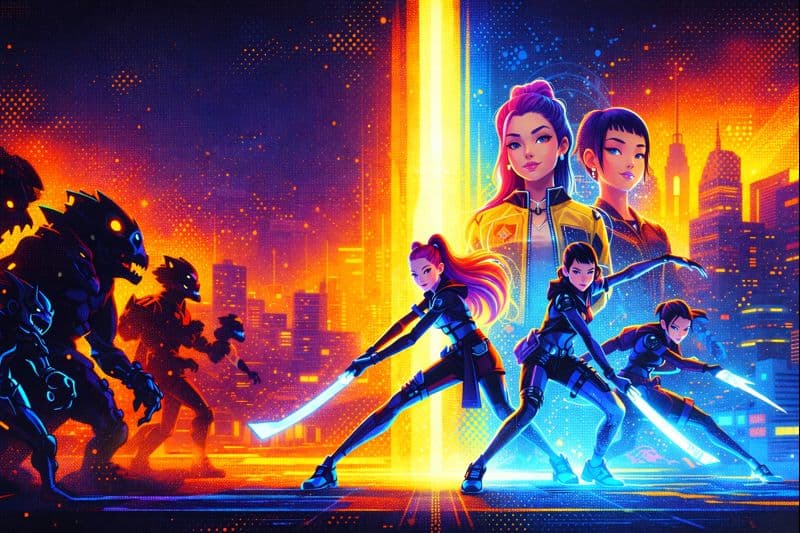
Vocals sound powerful and controlled, reflecting professional idol standards. Songs range from energetic anthems to emotional ballads, mirroring character arcs. Reviewers from Variety noted how the soundtrack supported both spectacle and storytelling.
Choreography also plays a key role. Animated movements draw inspiration from real idol performances, with sharp formations and synchronized steps. Fans familiar with concert culture recognized these details immediately. Stage design shifts depending on the scene, using bold lighting for performances and darker palettes for battles.
Crowd interaction, though animated, feels convincing. Fan chants, light sticks, and reactions add realism. These details help viewers feel like they are attending a concert rather than watching a standard animated film. The result is an immersive experience that respects live performance culture while expanding it into fantasy.
Interactions in Kpop Demon Hunters
Character relationships give kpop demon hunters emotional depth. Each member of the fictional group has a distinct personality, which comes through in both dialogue and performance. Leaders project calm authority, while other members bring humor, vulnerability, or quiet strength.
Several scenes highlight individual growth. Solo moments often reveal fears or doubts tied to their dual lives. These scenes connect personal struggles with music, making development feel earned rather than rushed. The New York Times review praised how character arcs balanced action with emotion.
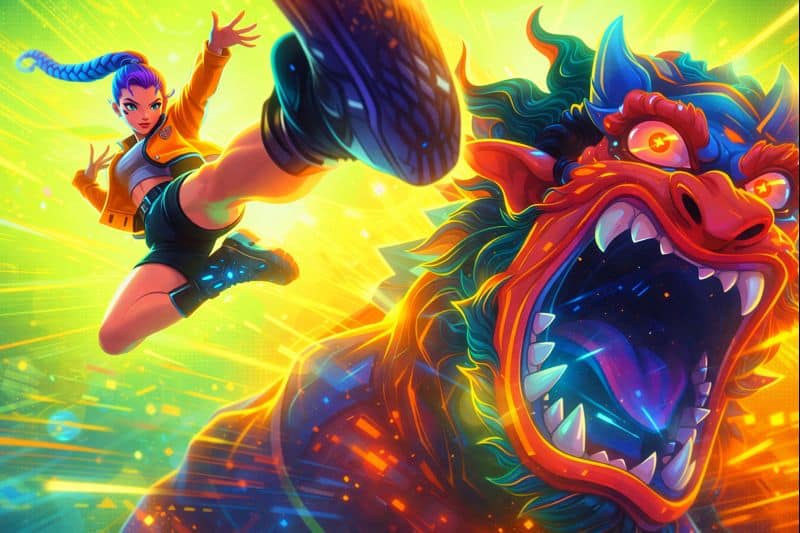
Group interactions stand out as well. Casual teasing, supportive gestures, and shared laughter mirror real idol dynamics. These lighter moments balance intense action scenes and prevent the story from becoming too heavy. Fans responded strongly to this authenticity.
By giving space to each member, the film avoids flattening personalities. Instead, it builds a believable team whose bond strengthens over time. This focus on relationships helps viewers connect emotionally, which explains why many fans formed attachments quickly despite the characters being fictional.
Fan Experience on Kpop Demon Hunters
The fan response to kpop demon hunters was immediate and intense. Social media platforms are filled with reactions within hours of release. Hashtags trended as viewers shared favorite songs, scenes, and character moments. Many praised how the project respected fandom culture rather than parodying it.
Fans highlighted details like light sticks, fan chants, and backstage moments as signs that creators understood idol life. Some described the experience as “made for fans but welcoming to everyone.” This sentiment appeared frequently across posts and reviews.
Online watch parties amplified engagement. Since Netflix released the film globally, fans experienced major moments together. This shared timing created a sense of community. BBC Culture noted how this collective viewing contributed to its rapid cultural impact.
Reactions were not limited to fans. Casual viewers and critics also joined discussions, often expressing surprise at how well the concept worked. This crossover appeal helped expand the audience and positioned the film as more than a niche release.
Memorable Moments
Several scenes became instant talking points after release. One major plot twist redefined a character’s role, prompting fans to rewatch earlier scenes for clues. This moment sparked theory threads and analysis videos.
Another highlight involved subtle hints about future stories. While no sequel was officially confirmed, visual cues and dialogue suggested expansion potential. These hints kept conversation active well beyond opening weekend.
The introduction of Huntr/x as a symbolic element added another layer of intrigue. Fans debated its meaning and how it connected to the group’s identity. Lifestyle Asia noted how this element blended mythology with modern pop themes.
Emotional climaxes also stood out. Final battle scenes paired with powerful music left strong impressions. Many viewers described feeling unexpectedly moved. These moments demonstrated that spectacle and emotion can coexist when handled carefully.
Conclusion
The success of kpop demon hunters proves that creative risks can resonate when executed thoughtfully. By blending idol culture, animation, and supernatural storytelling, the project delivered something both fresh and respectful. Music, character development, and fan engagement worked together to create lasting impact.
This release mattered because it treated fans seriously while inviting new audiences in. It showed how genres can merge without losing authenticity. The strong response from viewers and critics alike highlights its cultural relevance.
For fans of music-driven stories and imaginative worlds, this project set a new standard. To explore more breakdowns, reactions, and updates on standout releases like this, visit the koreafiz page. Stay connected and keep celebrating the moments that bring global fandoms together.
Resources
- Lifestyle Asia. K-Pop Demon Hunters release date, voice cast, and where to watch
- BBC Culture. The animated K-pop film that swept the world
- Moviefone. K-Pop Demon Hunters movie overview
- Variety. K-Pop Demon Hunters review
- The New York Times. K-Pop Demon Hunters movie review