
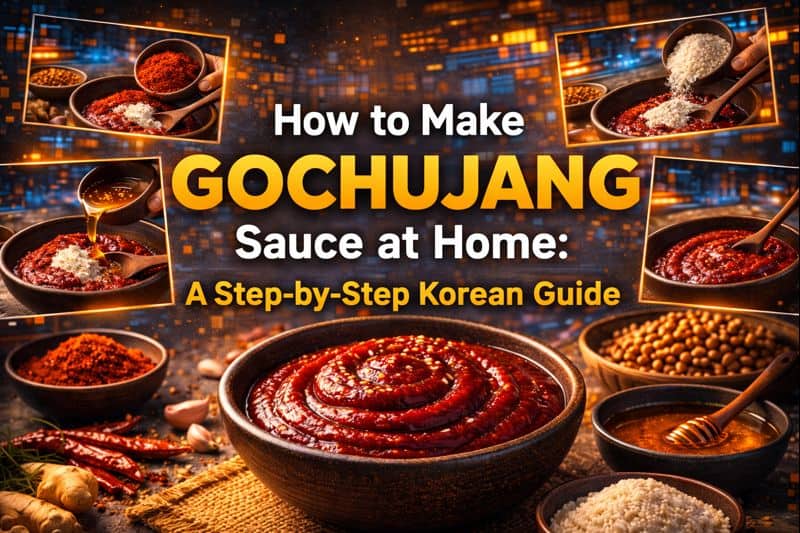
Learning how to make Gochujang Sauce at home is both useful and deeply connected to Korean Culture. This sauce appears in countless dishes, from simple rice bowls to complex stews and marinades. As global interest in Korean food continues to grow, more home cooks want to move beyond store-bought options. Making your own sauce offers better control over flavor, texture, and spice level. It also helps you understand why this ingredient holds such an important place in everyday Korean meals.
Traditionally, gochujang-based sauces reflect balance rather than extreme heat. Sweetness, saltiness, and umami work together instead of competing. This tutorial focuses on that balance while keeping the process simple and approachable. You do not need advanced tools or rare ingredients. With a few pantry staples and clear steps, you can create a versatile sauce that fits modern kitchens while respecting long-standing Traditions. By following this guide, you gain both a practical skill and a deeper appreciation for Korean cooking.
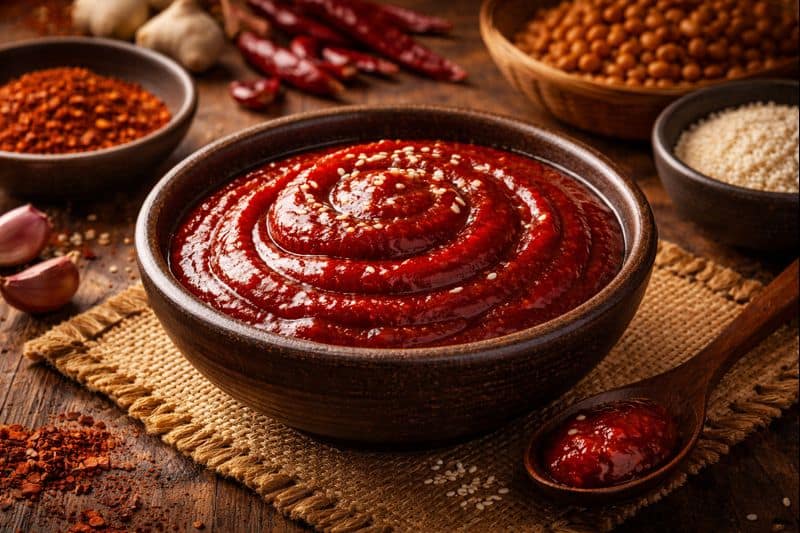
Things Needed
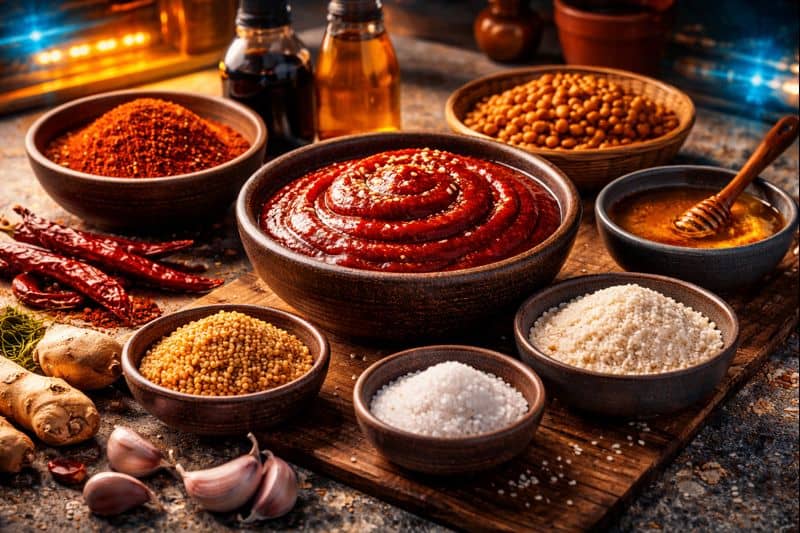
Before starting, prepare all ingredients and tools. Organization makes the process smoother and helps avoid mistakes. When making Gochujang Sauce, ingredient quality matters more than quantity, so choose reliable brands when possible.
- Gochujang paste made from fermented chili, rice, and soybeans
- Soy sauce to provide salt and depth
- Sugar or honey to balance heat and fermentation
- Rice vinegar for gentle acidity
- Fresh minced garlic for sharp aroma
- Sesame oil for nutty richness
- Water to control thickness
- Medium-sized mixing bowl
- Spoon or small whisk for blending
- Airtight glass container for storage
Each ingredient plays a specific role in building flavor. The paste forms the base, while sweetener and vinegar soften its intensity. Tools remain basic, which makes this recipe accessible to beginners. Once everything is ready, you can focus fully on technique and taste.
Step-by-Step Instructions
Step 1: Prepare the Gochujang Paste Base
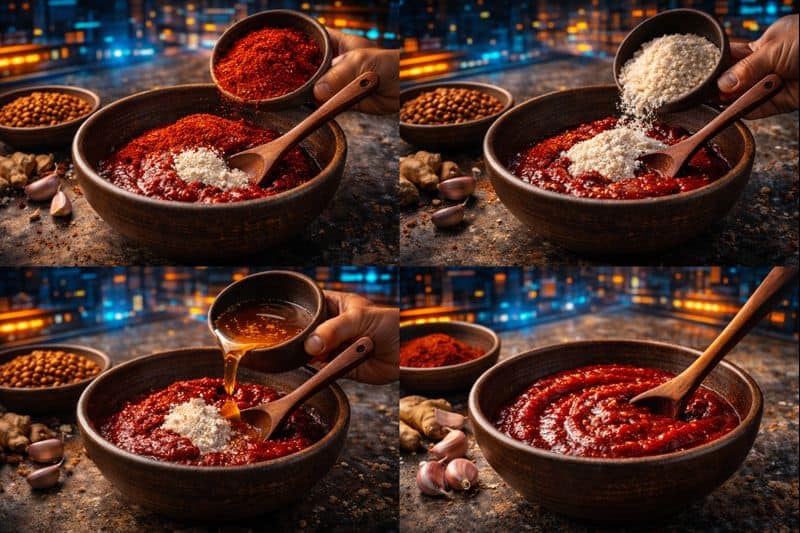
Place three tablespoons of gochujang paste into a clean mixing bowl. Because the paste is thick and sticky, begin by pressing and stirring it gently with a spoon. This action loosens the paste and makes later mixing easier. Take time to smooth out any dense pockets. A uniform base ensures the final sauce has an even texture and flavor. At this stage, focus on consistency rather than speed.
Step 2: Incorporate Soy Sauce for Depth
Add one tablespoon of soy sauce to the bowl. Stir slowly to help the salt dissolve into the paste. Soy sauce adds umami and deepens the fermented flavor. Mix until the paste becomes slightly darker and more pliable. Avoid pouring too quickly, as sudden liquid can cause uneven mixing. Scrape the sides of the bowl often to keep everything combined.
Step 3: Add Rice Vinegar for Balance
Pour in one tablespoon of rice vinegar. This ingredient brightens the sauce and prevents it from tasting heavy. Stir steadily while watching how the texture changes. The mixture should now feel smoother and easier to work with. Taste a small amount. The flavor may seem sharp, which is expected before sweetness is added.
Step 4: Sweeten to Soften the Heat
Add one tablespoon of sugar or honey. Sweetness is essential in gochujang-based sauces because it balances fermentation and spice. Stir thoroughly until the sweetener dissolves completely. Taste again and notice how the sharpness mellows. If the sauce still feels aggressive, add a small pinch more sweetener rather than increasing liquid.
Step 5: Add Garlic for Aroma and Savory Flavor
Stir in one teaspoon of freshly minced garlic. Garlic adds sharpness and depth, helping the sauce feel complete. Mix gently and evenly so the garlic distributes throughout the sauce. Let the mixture sit for about one minute. This short pause allows the garlic aroma to develop without overpowering the sauce.
Step 6: Finish with Sesame Oil
Add half a teaspoon of sesame oil. This oil adds warmth and a subtle nutty finish. Stir lightly, as sesame oil is strong and can dominate if overmixed. Smell the sauce. It should now feel rich, balanced, and inviting rather than harsh or overly spicy.
Step 7: Adjust Thickness with Water
Begin adding water one teaspoon at a time. Stir continuously after each addition. This step controls how the sauce will be used. A thicker sauce works best for dipping or spreading, while a thinner consistency suits marinades or drizzling. Stop adding water once the sauce flows smoothly off the spoon but still clings slightly.
Step 8: Rest and Final Taste Check
Allow the sauce to rest for five to ten minutes. This resting period helps flavors blend naturally. Taste again and evaluate balance. Adjust salt, sweetness, or thickness in very small amounts if needed. Avoid rushing this step, as subtle changes matter most here.
Step 9: Store Correctly
Transfer the finished sauce into an airtight glass container. Seal it tightly and refrigerate immediately. Proper storage preserves flavor and freshness. Before each use, stir gently to recombine any separated ingredients.
Tips and Warnings
| Tip or Warning | Explanation |
|---|---|
| Start with small amounts | It is easier to adjust than correct overpowering flavors |
| Taste after each step | Balance is key in fermented sauces |
| Use clean utensils | Prevents contamination and spoilage |
| Refrigerate immediately | Maintains freshness and flavor stability |
| Avoid high heat | Heat can weaken fermented depth |
These tips protect both taste and food safety. Because gochujang is fermented, small changes have a big impact. Careful handling also ensures the sauce lasts longer and stays consistent between uses.
Conclusion
By following this guide, you have successfully created a versatile and authentic sauce rooted in Korean cooking. Making Gochujang Sauce at home allows you to understand how balance defines Korean flavors. Instead of relying on processed blends, you now control spice, sweetness, and texture. This skill opens the door to experimenting with many dishes, from grilled vegetables to rice bowls and marinades.
Beyond taste, the process connects you to Korean Culture through hands-on practice. It reflects a tradition of thoughtful preparation and respect for ingredients. Once comfortable, try small variations to suit different meals or personal preferences. Share your results with others or build upon this recipe as you explore more Korean food. Each batch becomes a reflection of both tradition and personal taste.
Resources
- Maangchi: Homemade Gochujang Recipe – Korean Chili Paste
- Korean Bapsang: How to Make Gochujang Sauce from Scratch
- My Korean Kitchen: Traditional Korean Gochujang Tutorial
- Serious Eats: The Science Behind Korean Gochujang Fermentation
- The Spruce Eats: Authentic Korean Gochujang Guide