


Casino Site Security is the set of technical and operational controls that protect user accounts, payments, and data. The most important controls to check are strong authentication (especially 2FA), encrypted connections, clear monitoring alerts, and documented recovery and support processes for disputes or lockouts.
Key Takeaways
- Strong authentication reduces account takeover risk more than passwords alone.
- Encryption protects data in transit, which supports safer logins and payments.
- Monitoring helps detect suspicious behavior, but it can create false positives.
- Transparent recovery steps matter because verification holds can occur.
- Record keeping improves clarity when terms, rules, or outcomes change.
Definition
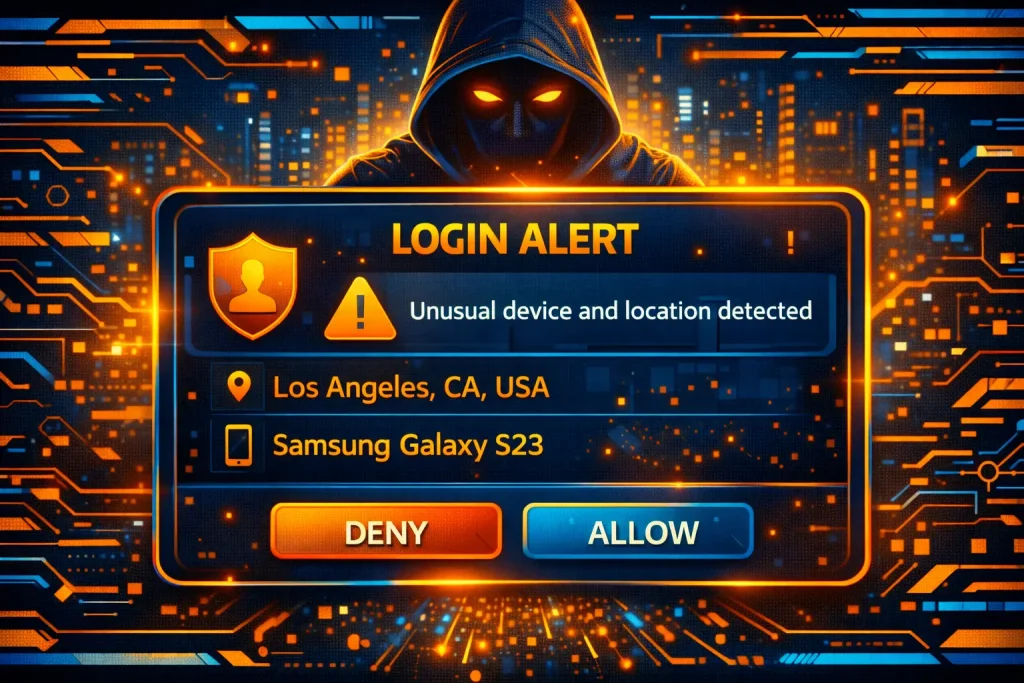
Casino Site Security refers to the protections used by online gambling platforms to reduce fraud, unauthorized access, and exposure of personal or payment-related data.
What Casino Site Security means / How it works
Casino Site Security usually combines four layers that work together.
First, secure connections protect traffic between a user’s device and the site. Encryption reduces the chance that login credentials or sensitive details get intercepted during transmission.
Second, authentication controls verify that the person logging in is the legitimate account holder. Two-factor authentication, device verification, and session limits reduce the impact of leaked passwords. Users benefit when the platform shows login history and active sessions so suspicious access becomes visible.
Third, monitoring systems look for abnormal behavior, such as repeated failed logins, rapid balance changes, device switching, or unusual geolocation patterns. Some operators apply automated risk scoring across computer systems to decide whether to challenge a login or hold an action for review. Platforms may also use ai technology, including Gen AI summaries, to triage alerts faster, although human validation remains necessary for edge cases.
Fourth, recovery and incident handling determine what happens when a user loses access or a transaction is disputed. Clear notifications, audit logs, and consistent escalation paths are practical indicators of maturity. For related terminology, see this reference on casino site definitions and terms:
Why Casino Site Security matters
Casino Site Security matters because failures often produce irreversible outcomes, such as account takeover, unauthorized withdrawals, or exposure of identity data. Even when money is not lost, weak security can cause extended lockouts and delayed resolution, which affects user control and trust. Strong authentication reduces common credential-based attacks and limits damage when passwords get reused or leaked elsewhere. Encryption reduces interception risk during logins and payments, which is basic but still essential.
Monitoring adds value by detecting abnormal patterns that humans may miss, yet it also introduces friction when systems flag legitimate activity. For that reason, transparent explanations and predictable recovery steps are part of security, not just convenience features. In environments that handle sensitive data, good practice also includes limiting access internally and maintaining logs for audits and incident response. A reader evaluating a site can use these criteria to judge whether protections seem systematic or superficial.
Light Support Block
Mini-checklist for evaluating Casino Site Security controls
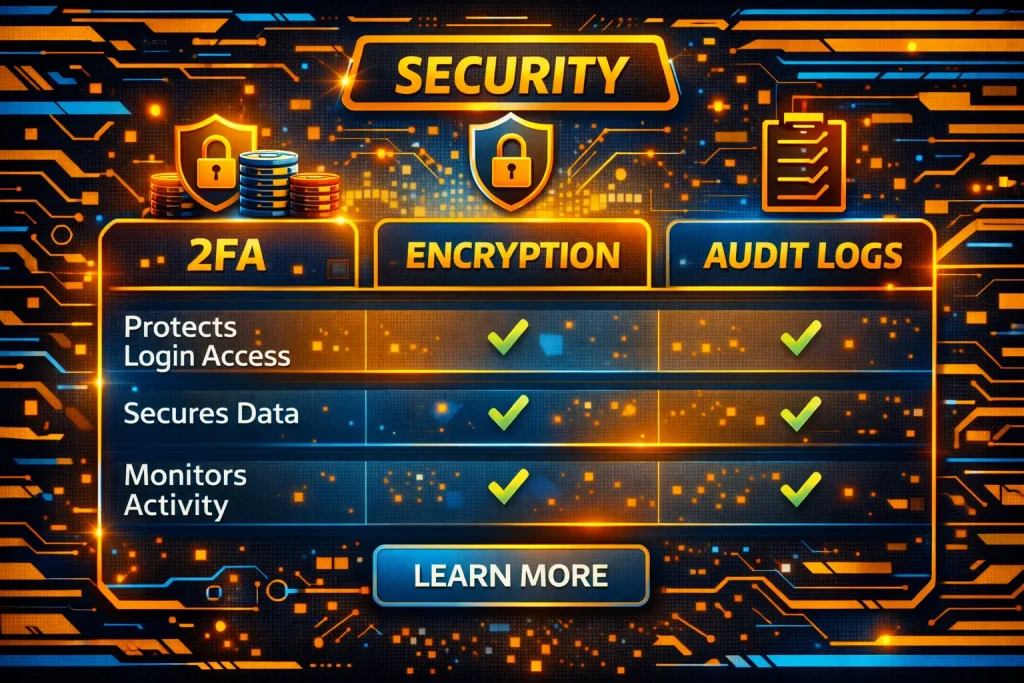
- Confirm two-factor authentication is available and usable.
- Check for encrypted connections during login and account actions.
- Look for visible account activity logs (sessions, devices, recent logins).
- Review how alerts and holds are explained, especially during verification.
- Identify recovery steps for lockouts and disputes, including support escalation.
- Note whether policies describe data handling and retention in plain language.
Common mistakes / misconceptions in Casino Site Security
A common misconception is that a strong password alone provides adequate protection. Password-only access fails when credentials are reused or exposed, so 2FA and device controls typically add more practical resistance to takeover attempts. Another mistake is assuming that “monitoring” guarantees safety. Monitoring can detect anomalies, but it also depends on thresholds, data quality, and response processes. A platform can still miss slow, low-volume fraud if signals stay below detection.
Some readers treat verification holds as proof of poor security. In practice, holds can reflect risk controls, but unclear messaging or inconsistent appeals can still indicate weak operational maturity. Another misconception is that automation makes decisions objectively correct. Automated scoring can create false positives, so human oversight and transparent dispute handling remain important. Finally, users often overlook account recovery. Security controls that prevent access without a reliable recovery process can increase user harm during lockouts, even when fraud is not present.
Examples
A platform supports 2FA, device verification, and session revocation. If a password is leaked, an attacker may still fail to access the account because the second factor blocks login. If access occurs from a new device, the system can trigger an additional challenge, and the user can review the login history to spot the attempt.
A monitoring system flags repeated failed logins, then temporarily restricts access. This can reduce brute-force attacks, but it can also block legitimate users who typed credentials incorrectly. Clear notices and a defined recovery path determine whether the control feels protective or disruptive.
A withdrawal is held for review after a sudden device change and unusual location signal. The hold can be consistent with risk scoring, yet the user experience depends on whether the platform explains the reason, lists required steps, and resolves the case within a reasonable process. For a site-specific reference readers may encounter, see Woori Casino.
FAQ
What security control should be checked first?
Two-factor authentication is a high-impact control because it reduces account takeover risk beyond passwords.
Do monitoring systems prevent all fraud?
No. Monitoring can reduce common patterns of abuse, but outcomes depend on thresholds, data quality, and response actions.
Why do security holds happen during sensitive actions?
Holds can occur when automated risk checks detect unusual patterns, such as device changes or location anomalies, and require validation.
Resources
- Cloudflare. What Is Two-Factor Authentication (2FA)?
- NIST. Cybersecurity Framework (CSF)
- OWASP. OWASP Top 10 Web Application Security Risks
- CISA. Secure Our World: Cybersecurity Guidance
- UK Gambling Commission. Online Gambling and Consumer Guidance