

Large-scale disaster stories have become increasingly popular, and Korean productions are now taking a stronger lead in this space. The Great Flood arrives at a time when viewers expect more than spectacle from survival dramas. Released on Netflix, the series blends disaster imagery with emotional tension and moral conflict. It positions itself as a serious, high-stakes project rather than light entertainment.
Early attention grew after industry screenings and discussions tied to BIFF, where critics and audiences debated its strengths and weaknesses. Some praised its ambition and visuals, while others questioned whether the story fully supports its scale. Even so, the drama continued to gain traction as viewers searched for intense and thought-provoking content.
As part of Netflix’s expanding slate of Korean originals, the series reflects the platform’s push toward cinematic storytelling. It also shows how modern K-drama continues to evolve beyond romance and comedy. Keep reading for a detailed breakdown of what works, what does not, and whether this disaster drama deserves your watch time.
What to Expect from The Great Flood
The Great Flood follows a near-future disaster in which relentless rainfall submerges a major Korean city. Infrastructure collapses, communication fails, and survival becomes uncertain. At the center of the story is An Na, portrayed by Kim Da-mi, a researcher safeguarding critical scientific data linked to climate prevention. Her mission quickly turns personal as the flood intensifies.
Alongside her is Hee-jo, played by Park Hae-soo, a field rescuer dealing with both physical danger and emotional scars from past missions. Their paths intersect as evacuation efforts fail and time runs out. Supporting characters include ordinary citizens, officials, and responders, each reacting differently under pressure.
The tone remains serious throughout the series. Instead of focusing on romance or humor, the narrative leans into tension, fear, and ethical dilemmas. The drama explores how people behave when systems collapse and authority loses control. This approach gives the story weight, even when it slows down.
What separates The Great Flood from typical disaster shows is its attempt to balance spectacle with introspection. The series aims to ask difficult questions about responsibility, science, and survival while presenting large-scale destruction.
Top Reasons to Watch The Great Flood
Cinematic Visuals
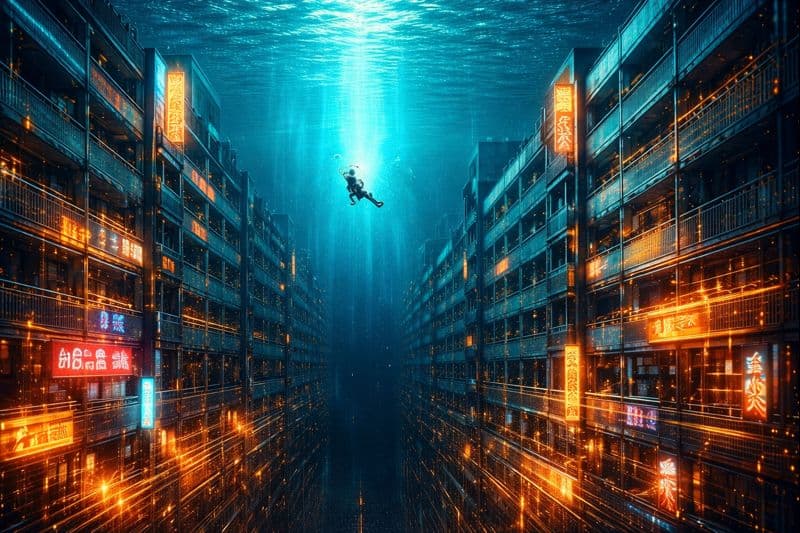
The most consistent praise for the series comes from its visuals. Flooded streets, submerged structures, and rescue operations are rendered with impressive detail. Water effects feel heavy and dangerous rather than decorative. These scenes rival many big-budget Netflix movies and help create a constant sense of urgency.
Compelling Lead Performances
Kim Da-mi delivers a restrained performance that suits her character’s internal conflict. She avoids melodrama and instead conveys fear and determination through subtle expression. Park Hae-soo brings emotional depth to his role, making Hee-jo more than just a heroic rescuer. Their chemistry feels natural, even without romantic focus.
High Emotional Stakes
The drama works best when it narrows its focus to individual choices. Characters must decide who to save, what to sacrifice, and when to let go. These moments create emotional tension that lingers longer than the action sequences.
Mature Storytelling Approach
Unlike many mainstream releases, this series does not aim to please everyone. It embraces a darker tone and allows uncomfortable themes to surface. Climate anxiety, institutional failure, and moral compromise play key roles in the narrative.
Conversation-Driven Appeal
Viewers continue to discuss the drama online because it invites interpretation. Some praise its ambition, while others criticize its narrative structure. This ongoing debate keeps the series relevant and encourages thoughtful viewing.
The Great Flood Ratings
From a storytelling perspective, The Great Flood shows both confidence and inconsistency. The central premise is strong, and early episodes establish tension effectively. However, as the series progresses, the narrative occasionally shifts focus too quickly. Certain subplots feel underdeveloped, which weakens their emotional payoff. Even so, the main survival arc remains engaging enough to maintain interest.

Acting is one of the drama’s strongest elements. Kim Da-mi anchors the story with a grounded performance that avoids exaggeration. Park Hae-soo adds intensity and vulnerability, especially during high-risk rescue scenes. Supporting actors contribute believable reactions, making the disaster feel lived-in rather than staged.
Direction and visuals elevate the material. Camera work emphasizes confinement and rising danger, while sound design amplifies the sense of impending collapse. These technical elements create immersion, even when the script falters.
Episode pacing varies across the series. Early episodes move quickly to establish urgency. Later episodes slow down to examine character decisions and consequences. This shift may frustrate viewers expecting constant action, but it aligns with the drama’s reflective tone.
| Category | Score |
|---|---|
| Storytelling | 3.5/5 |
| Acting Performance | 4.5/5 |
| Visuals and Direction | 4.5/5 |
| Episode Pacing | 3.5/5 |
| Overall Rating | 4/5 |
Viewer Reactions to The Great Flood
Audience reactions reflect the drama’s divided strengths. Many viewers praise the realism of the disaster sequences, calling them some of the most intense seen in recent Korean productions. The flooded environments and rescue missions leave a lasting impression, especially on larger screens.
At the same time, some viewers express disappointment with the narrative focus. Online discussions often mention that the story raises strong ideas but does not fully resolve them. Others feel the emotional arcs deserved more time to develop. Despite these criticisms, engagement remains high.
What stands out is how the series encourages discussion rather than passive viewing. Viewers debate character decisions, thematic meaning, and the balance between spectacle and substance. This response suggests that The Great Flood succeeds in making an impact, even if it does not satisfy every expectation.
Who Should Watch The Great Flood?
This drama suits viewers who enjoy serious, emotionally driven stories. Fans of disaster narratives and survival thrillers will appreciate its grounded approach. It also appeals to those who like slower, more reflective pacing that allows characters to evolve under pressure.
Viewers who prefer light romance or episodic comedy may find the tone too heavy. However, audiences interested in moral dilemmas, climate-related themes, and human resilience will likely connect with the story. If you value ambition and discussion-worthy content in a K-drama, this series is a strong choice.
Where to Watch The Great Flood
The Great Flood is available to stream legally on Netflix. Access may vary by region, but the platform provides subtitles for international viewers. Watching through official platforms ensures the best viewing quality and supports the creators.
For more Korean drama reviews, streaming updates, and curated recommendations, visit the Koreafiz website and stay connected with the latest releases.
FAQ
Is The Great Flood connected to real climate events?
The story is fictional, but it reflects real-world concerns about climate disasters, urban flooding, and emergency preparedness.
Is The Great Flood a movie or a series?
The Great Flood is a Korean drama series released exclusively on Netflix, structured in multiple episodes.
Does The Great Flood focus on romance?
No, the series focuses on survival, ethical choices, and emotional tension rather than romantic storylines.
Resources
- X. The Great Flood Netflix Review
- Youtube. The Great Flood | Official Trailer | Netflix
- MovieWeb. The Great Flood Review
- The Korea Times. BIFF 2025: The Great Flood Review
- Moneycontrol. The Great Flood Movie Review: This Korean disaster film wows the eyes but loses the plot