
Interest in ancient belief systems has quietly grown alongside the global rise of Korean Culture. As people look deeper into traditions behind food, customs, and family values, many begin asking foundational questions. One question appears again and again: what is the oldest religion? This curiosity feels especially relevant in Korea, where modern life exists beside rituals that date back thousands of years.
Unlike trend-based topics, ancient religion carries emotional weight. It speaks to identity, ancestry, and continuity. Younger audiences encounter these ideas through cultural content, museum visits, and online discussions. Older generations recognize familiar customs that never fully disappeared.
This review explores the idea of ancient religion through a Korean cultural lens. It focuses on how early belief systems feel, why they remain meaningful, and how they continue to influence daily life. Rather than listing facts, it reflects on mood, relevance, and cultural resonance in today’s Korea.
Let’s Talk About the Oldest Religion in Korea
Engaging with the question of what is the oldest religion feels like stepping into humanity’s earliest attempts to understand the world. Instead of formal doctrines or sacred books, early belief systems focused on survival, nature, and unseen forces. In Korea, these beliefs developed organically from the land and the rhythm of seasons.
Early religious practices centered on harmony. Mountains were not obstacles but sacred guardians. Rivers carried spiritual presence. The sky symbolized balance between worlds. People believed spirits lived alongside them, influencing weather, health, and fortune. This worldview shaped how communities behaved toward nature and each other.
What stands out most is intimacy. These beliefs did not separate religion from daily life. Families performed rituals at home. Villages gathered for seasonal ceremonies. Spiritual life felt personal and communal rather than distant. That closeness creates an emotional response even today.
Another striking detail is the absence of rigid hierarchy. There was no single founder or central authority. Knowledge passed orally through generations. This flexibility allowed beliefs to evolve without breaking. As societies changed, practices adapted rather than disappeared.
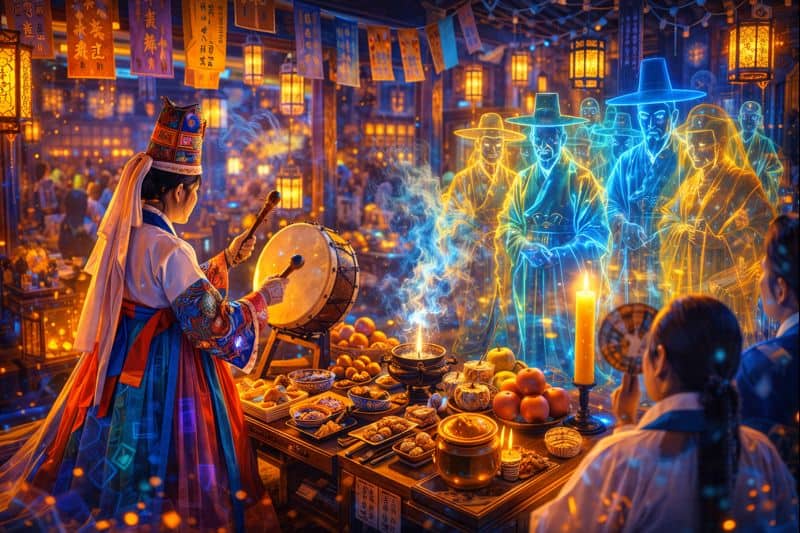
Ancestor reverence played a key role. Honoring those who came before strengthened family bonds and moral responsibility. This respect remains visible today through memorial rites and holiday customs. Even individuals who do not identify with any religion often participate in these traditions.
The tone of these beliefs feels calm and grounding. Instead of fear-based rules, rituals aimed to restore balance or offer protection. People sought guidance, healing, and reassurance. That emotional accessibility explains why ancient religion feels relevant in modern wellness conversations.
Exploring what is the oldest religion also reveals universality. Nature-based beliefs appear across civilizations. However, Korea’s version reflects its geography and history. Mountain worship, village guardians, and seasonal rites feel distinctly Korean. This blend of universal and local keeps the topic compelling.
Ultimately, ancient religion in Korea feels less like history and more like a quiet presence. It lives in language, customs, and attitudes toward life. That continuity surprises many first-time learners and leaves a lasting impression.
The Highlights of What Is the Oldest Religion
Several elements stand out when reviewing ancient belief systems through a Korean lens. First is the deep respect for nature. Spiritual meaning connects closely to land, seasons, and natural cycles. This relationship promotes coexistence rather than control.
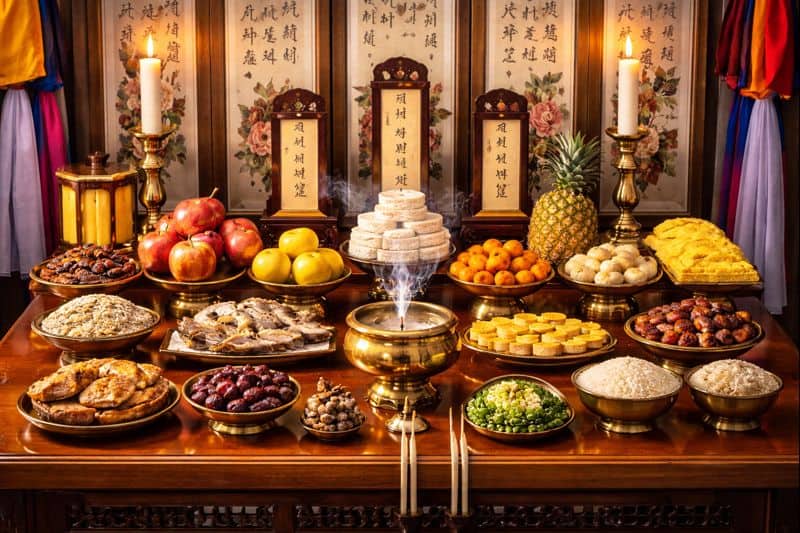
Second, ancestor reverence shapes social values. Honoring elders reinforces respect, responsibility, and continuity. This practice remains visible during memorial rituals and holidays.
Third, adaptability defines these beliefs. Without fixed texts, practices adjusted across eras while preserving core ideas. This flexibility explains survival across centuries.
Another highlight lies in emotional grounding. Rituals focus on protection, healing, and reassurance. People approach spirituality for comfort rather than judgment. That tone resonates with modern audiences seeking calm.
Finally, symbolism enriches expression. Objects, gestures, and colors carry layered meanings. These symbols appear in folklore, art, and architecture, reinforcing cultural continuity.
The Fan Experience
Online engagement around ancient belief systems in Korea continues to grow, especially among younger audiences exploring history through a modern lens. Many fans discover the topic through short videos, illustrated threads, or cultural explainers that break down complex ideas into relatable moments.
These formats make the question of what the oldest religion is feel approachable rather than academic.
Emotional response plays a big role in why this topic resonates. Fans often describe a sense of calm or grounding after learning about early rituals tied to nature and ancestors.
Some share how these beliefs feel similar to modern wellness practices, such as mindfulness or energy balance. This comparison helps bridge past and present.
Community interaction also shapes the experience. Comment sections turn into shared learning spaces where people exchange insights, personal reflections, or family traditions.
Rather than debate, conversations lean toward curiosity and respect. This supportive tone encourages deeper exploration and keeps interest alive across platforms.
The Impact of What Is the Oldest Religion
Ancient belief systems continue to shape Korean Culture in ways that often go unnoticed. Daily language, seasonal customs, and family rituals carry traces of early spirituality.
These influences do not dominate modern life, yet they quietly guide values around respect, harmony, and balance.
In contrast to later organized religions, early beliefs emphasize coexistence with nature rather than hierarchy or doctrine. This philosophy aligns closely with contemporary interests in sustainability and mental well-being.

As a result, ancient religion feels relevant rather than outdated.
Globally, growing interest reflects a broader search for meaning in fast-paced societies. Korea’s experience offers a clear example of how old beliefs adapt instead of disappearing.
They coexist with modern systems without conflict. That adaptability strengthens cultural identity while remaining open to change.
Final Verdict
So, what is the oldest religion when viewed through a Korean lens? It is not a single doctrine but a way of relating to the world. These beliefs feel gentle, grounded, and deeply human.
They connect past and present without pressure or fear. That balance gives them lasting relevance.
Rating: 9/10 ⭐
Thought-provoking, culturally rich, and surprisingly modern in spirit.
Resources
- Wikiwand. Religion in Korea
- Korea Bridge. Religion in Korea – Modern and Traditional Beliefs
- 90 Day Korean. Religion in Korea Explained
- World History Edu. Shamanism in Ancient Korea
- New World Encyclopedia. Religion in Korea