

“Casino Site Popular” is a descriptive phrase used to indicate that an online casino site is widely used or frequently visited, often based on general public interest signals rather than a single verified metric. It is best treated as a visibility label, not as evidence of licensing, fairness, or consumer protection.
Key Takeaways
- The phrase usually describes perceived popularity, not guaranteed quality or safety.
- “Popular” can reflect traffic, search interest, media mentions, or user activity, depending on context.
- The term does not confirm licensing status, game fairness testing, or consumer protections.
- Use it as a starting label, then verify independent trust indicators.
- Popularity can be amplified by rankings and recommendation systems, so it may not reflect long-term reliability.
Definition
“Casino Site Popular” refers to an online casino site described as popular, meaning it appears to attract many users or significant attention relative to other sites. In educational writing, the phrase is typically a comparative descriptor that implies higher visibility than other casino sites, without specifying the measurement used.
What Casino Site Popular means / How it works
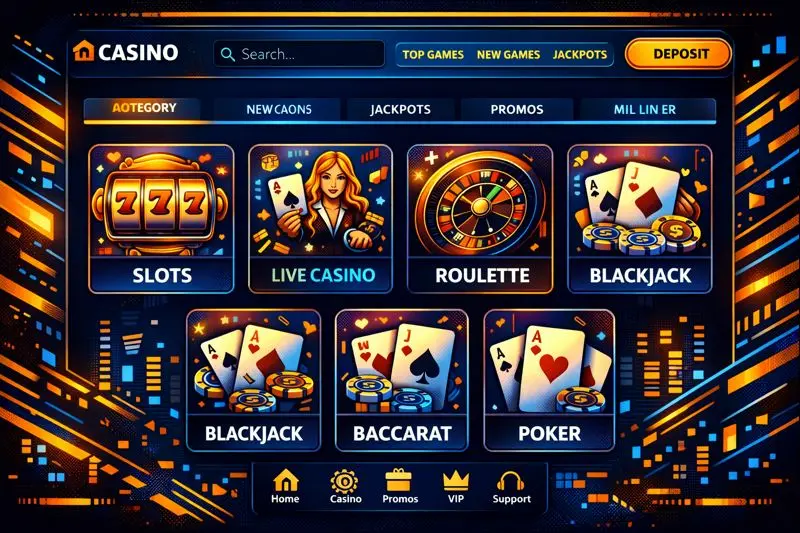
In informational content, “Casino Site Popular” usually functions as shorthand. It signals that a site is commonly discussed, frequently searched, or prominently surfaced in lists and directories. The key limitation is that the phrase rarely includes the underlying data. As a result, the label is often based on indirect or mixed indicators that vary by source and by time period.
Common signals that may be used to justify “popular” include:
- Search interest: frequent searches for the site name or related terms.
- App or web traffic estimates: third-party measurements that approximate visits or engagement.
- Public discussion volume: recurring mentions in community spaces or social platforms.
- Platform engagement: clicks, time-on-page, or other behavioral signals used by content systems.
- Media visibility: repeated inclusion in general “top” lists, which may reflect visibility rather than verification.
Some platforms use automated personalization to surface content that appears relevant to a user. In that setting, popularity can be influenced by aggregated behavior patterns, such as what many users clicked recently, what pages received more views, or what topics trend within a limited audience. This is important because “popular” can become self-reinforcing: higher placement leads to more exposure, which can generate more clicks, which can maintain higher placement.
Even when the label is based on real attention signals, it remains descriptive rather than evaluative. It can tell you that a site is visible, but it does not tell you why it is visible, how it operates, or whether it meets regulatory standards where the user lives. For a broader understanding of how these platforms function, you may refer to the casino site overview for additional context and you can visit this Woori Casino as well.
Why Casino Site Popular matters
The phrase can be misread as a reliability marker. In practice, a “popular” label may create a shortcut in the reader’s mind, where visibility is mistaken for trust. This matters because online gambling involves financial risk, data risk, and potential harm risk. A site being widely known does not resolve any of those risks.
From a consumer safety perspective, the label does not confirm:
- Regulatory coverage: whether the operator is licensed for a given jurisdiction.
- Player protections: whether dispute resolution, age checks, or safeguards are consistently applied.
- Game integrity: whether games are tested or audited under recognized standards.
- Data handling practices: whether personal information is processed responsibly and securely.
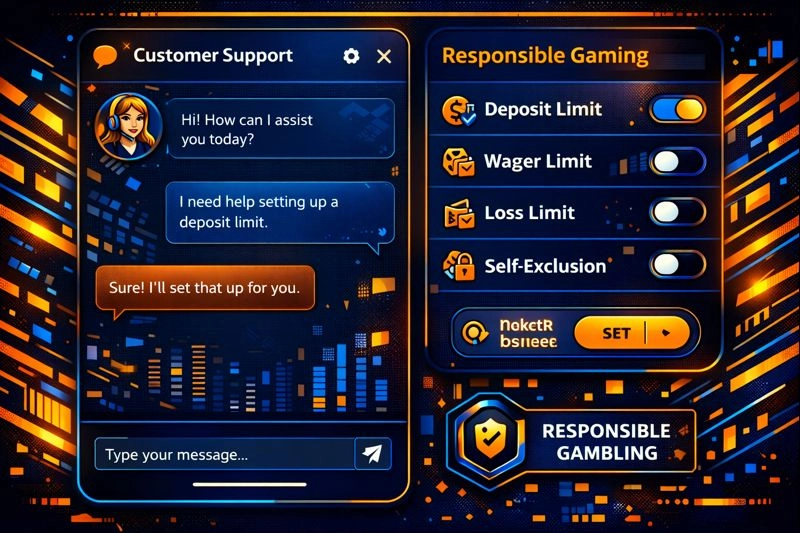
- Responsible gambling support: whether limit tools or help pathways are available and usable.
It also matters because popularity is time-sensitive. A site could be “popular” during a short spike due to publicity, a new feature, or viral attention, then become less visible later. In other cases, the label may persist in older articles long after conditions change. For educational readers, the safest approach is to treat “popular” as a cue to investigate, not as a conclusion.
Light Support Block
Mini-checklist: How to interpret “Casino Site Popular” safely
- Treat “popular” as a claim about attention, not proof of legitimacy or protection.
- Look for clear licensing information relevant to your location, not just a general statement.
- Check whether responsible gambling tools are described and whether access appears straightforward.
- Use reputable public guidance on online safety and gambling-related harm when evaluating risk.
- Be cautious with vague claims like “trusted worldwide” or “top-rated,” especially without sources.
Common mistakes / misconceptions
- Mistake: Popular means regulated. A site can be widely known without being authorized in your jurisdiction. Licensing is location-specific, and legality can differ across countries and regions.
- Mistake: Popular means fair games. Popularity does not verify independent testing, randomness standards, or consistent enforcement of game rules. Fairness is a technical and regulatory question, not an attention metric.
- Mistake: Popular means safe payments. The label does not confirm secure transaction handling, fraud controls, or timely resolution of payment disputes. A site can be visible and still be weak in operational safeguards.
- Mistake: Popular is a stable fact. Many uses of the term are time-bound. A label written months or years ago may no longer match current conditions.
- Mistake: Popular equals reputable. Reputation requires evidence and accountability. Visibility can be influenced by advertising, algorithmic ranking, or repeated re-publication of similar lists.
- Mistake: One indicator is enough. Relying on a single signal, such as search interest alone, can be misleading. Multiple independent indicators reduce the risk of misinterpretation.
Examples
- Example 1: An educational article calls a site “popular” because it appears frequently in searches. The article may be accurate about visibility, but it still does not establish licensing status, consumer safeguards, or fair play verification.
- Example 2: A directory page lists “popular” sites using recent click activity. This reflects attention patterns, which can be shaped by placement, headlines, or short-term trends, rather than long-term reliability.
- Example 3: A social media discussion mentions a site repeatedly after a news event. The spike in mentions can create the impression of popularity, yet the discussion volume may be temporary and may not reflect user experience across regions.
FAQ
Does “Casino Site Popular” mean a site is safe?
Not by itself. It suggests attention or usage, but safety depends on licensing, consumer protections, data practices, and responsible gambling measures.
Can popularity be influenced by algorithms?
Yes. Rankings and recommendations often use aggregated user behavior signals, which can amplify visibility without independently validating legitimacy or protections.
Is popularity the same as trustworthiness?
No. Trustworthiness requires evidence such as regulatory oversight, transparent rules, enforceable consumer rights, and accessible support, not just high visibility.
Resources
- Yukon Water – Mysteries of Gambling: The Role of Probability
- Responsible Gambling: Information and Tips
- WHO – Gambling
- Interpol – Online gambling
- UKGC – Gambling businesses and licensing